Best Baby Wipes 2025: Non-Toxic Picks and What to Avoid
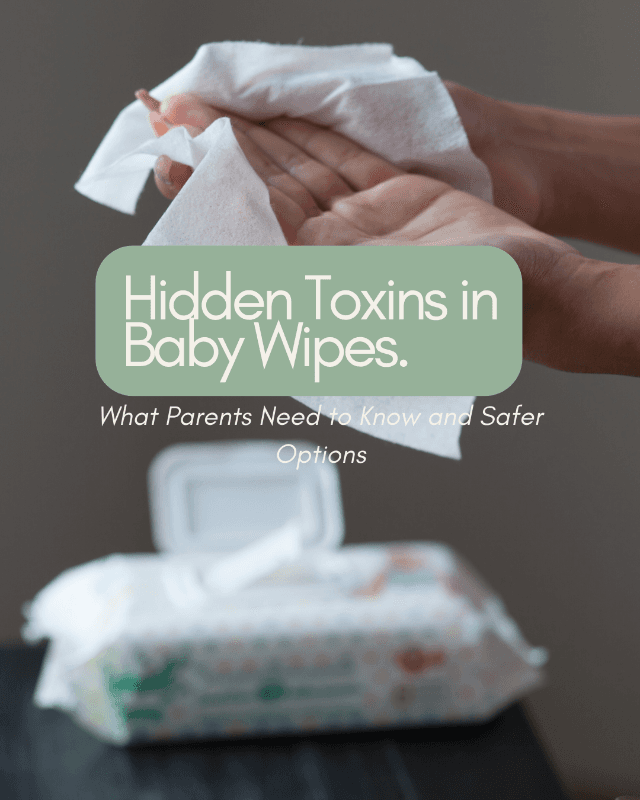
If you’re a parent or caregiver, baby wipes are probably one of your daily essentials. We use them for everything as parents when on the go cleaning of sticky hands or faces. But have you ever paused to wonder what’s really in those convenient little packages? Unfortunately, not all baby wipes are created equal, and some popular brands may contain chemicals and toxins you might rather avoid. Let’s explore what ingredients to watch for, why they matter, and how to choose safer options for your little one.
Common Toxins Found in Baby Wipes

Many conventional baby wipes contain a mix of chemicals to preserve, clean, and scent the product. Here are some ingredients to look out for:
1. Fragrance (Parfum)
While that “fresh baby” scent may smell clean, fragrances are often a cocktail of chemicals. They can cause skin irritation and sometimes contain phthalates, which have been linked to hormonal disruption.
2. Parabens (Methylparaben, Propylparaben, Etc.)
Parabens are preservatives used to prevent bacteria growth. However, they are also endocrine disruptors, meaning they can interfere with hormone function.
3. Phenoxyethanol
This common preservative. Research shows it can be rapidly absorbed by the skin. In fact, one research paper recommended that products having phenoxyethanol not be used in newborn babies because of the possible adverse effects such as liver and kidney damage. It was also shown to negatively affect the nervous system in infants when exposed to it via nipple cream. Phenoxyethanol, found in the cream, was depressing the central nervous system and causing vomiting and diarrhoea in breast feeding infants.
4. Sodium Lauryl Sulfate (SLS) & Sodium Laureth Sulfate (SLES)
Used as cleansing agents, they can strip the skin of natural oils, causing dryness and irritation.
5. Methylisothiazolinone (MIT) & Methylchloroisothiazolinone (CMIT)
These preservatives have been associated with severe allergic reactions and dermatitis, especially in young children.
6. Alcohol (Ethanol, Isopropyl Alcohol)
Alcohols can dry and irritate delicate skin, making them less than ideal for use in baby wipes.
7. Propylene Glycol
Propylene glycol, a humectant Used to retain moisture, is quite common in baby wipes. However, while it's not toxic, it's an irritant and a penetration enhancer. That means it helps other ingredients penetrate more deeply into the skin, which is not always ideal.
Should I be concerned about Grapefruit Seed Extract in Baby Wipes?
In baby wipes, Grapefruit Seed Extract (GSE) (at low levels like 0.1%) is often added as a “natural” preservative to prevent bacterial or fungal growth, extending shelf life without harsher chemicals. It’s marketed as a gentle, plant-based alternative to synthetic preservatives.
Potential Concerns for Babies:
Irritation and Sensitivity: Babies’ skin is highly sensitive, and GSE can sometimes cause mild irritation, redness, or dryness, especially if the baby has eczema, allergies, or broken skin (common in diaper areas). Citrus-derived ingredients like GSE may exacerbate this, as citrus sensitivities can lead to contact dermatitis.
Contamination Risks: Some GSE products have been found contaminated with synthetic chemicals (e.g., benzethonium chloride or parabens) during manufacturing. Studies have found that these contaminants such as benzethonium chloride might be the real source of GSE’s antimicrobial power. For babies, even trace amounts of unintended chemicals could be problematic due to higher absorption rates.
Allergic Reactions: If your baby has a family history of citrus or food allergies, GSE could trigger hives, itching, or rashes. While rare, it’s worth monitoring.
Long-Term Exposure: Repeated use on absorbent skin might lead to cumulative effects, though at 0.1%, this is unlikely to be a major issue for most babies.
Should You Be Concerned? Mildly, yes, especially if your baby has sensitive skin or allergies. It’s not a “red flag” ingredient like alcohol or strong fragrances, but it’s not essential for wipes. Many experts prefer wipes without added extracts to minimise risks.

Should I be concerned Hydrolysed Soy Protein in Baby Wipes?
Hydrolysed Soy Protein in Baby Wipes might be included for its moisturising or conditioning properties, helping to soothe and hydrate skin during wiping. It’s plant-derived and can make wipes feel gentler.
Potential Concerns for Babies:
Allergies: Soy is one of the top allergens in children (affecting about 0.4-1% of infants), and while hydrolysed soy protein is broken down to reduce allergenicity, it could still cause reactions like rashes, hives, or gastrointestinal upset if absorbed or ingested (babies often put hands in mouths). If your family has a history of soy, peanut, or legume allergies, this is a bigger concern.
Hormonal Considerations: Soy contains phytoestrogens, which mimic estrogen. There’s ongoing debate about whether topical exposure in babies could have subtle effects on development (e.g., endocrine disruption), especially with repeated use. I could not find any research to support claims topical use had any health risks.
Sourcing and GMO Issues: If the soy isn’t organic or non-GMO, there could be trace pesticides or genetic modification concerns, though this is more environmental than a direct health risk.
Should You Be Concerned? It depends on your baby low risk for most, but if there’s any soy allergy risk or you’re aiming for ultra-minimalist products, it’s worth avoiding and maybe use reusable wipes. Topical use in wipes is far less concerning than ingested soy (e.g., formula), but babies’ skin permeability makes it a factor.
Why Does It Matter?
A baby’s skin is thinner, more delicate, and more permeable than adult skin. This means chemicals absorbed through wipes can more readily enter a baby’s body. For babies with sensitive skin or conditions like eczema, exposure to harsh chemicals can lead to irritation, allergies, or worse.
What Are Safer Alternatives?
The good news is, with growing awareness, many brands now offer safer baby wipes, and there are simple DIY solutions, too.
1. Look for Short, Simple Ingredient Lists
Natural or sensitive wipes often have just a few ingredients typically purified water, gentle cleansers, and plant-based preservatives.
2. Fragrance-Free Options
Choose unscented wipes, as they’re less likely to contain irritating chemicals.
3. Check for “Hypoallergenic” and “Dermatologist Tested”
While not a guarantee, these labels often mean the product is less likely to trigger a reaction.
4. Eco-friendly and Biodegradable Wipes
Some newer brands use bamboo or plant fibres, which are gentler on both the skin and the planet.
5. DIY Baby Wipes
Make your own by soaking cotton pads or soft cloths in a mixture of boiled (and cooled) water, a splash of olive or coconut oil, and a drop of mild baby wash. Store in a clean container and use within a few days.
Best Lower Tox Nappies Wipes
Here a few brands to get you started, and some can even find at the supermarket (always check the latest ingredients list):

Green Goddness Baby Wipe Soultion & Biodegradable Wipes (Use SARAH10 for 10% off - affiliate)
Noopi
Ecoorginals
Treasures Baby Wipes specifically the Cucumber & Aloe
Terra Water Baby Wipes
Earthsmart aqua wipes

Here are some better nappies wipes if you prefer to avoid soy base products:
Silkbaby Water Wipes and Ultimate Wipes
Waterwipes
Final Tips for Parents
Always read the ingredient list not just marketing claims.
Patch-test new wipes on a small area.
If your child experiences redness, rash, or irritation, stop using the product immediately.
Your baby’s skin deserves the gentlest, cleanest start in life! With a little label reading and smart shopping, you can steer clear of hidden toxins and protect your baby's health.
Ref:
https://www.safecosmetics.org/chemicals/phenoxyethanol/#end11
https://pubmed.ncbi.nlm.nih.gov/11453769/
https://hebebotanicals.co.nz/grapefruit-seed-extract-gse-let-the-buyer-beware/

.png&w=828&q=75&dpl=dpl_AJeU9jhf1b3cPtatKVTVssFYN6Hp)
.png&w=828&q=75&dpl=dpl_AJeU9jhf1b3cPtatKVTVssFYN6Hp)