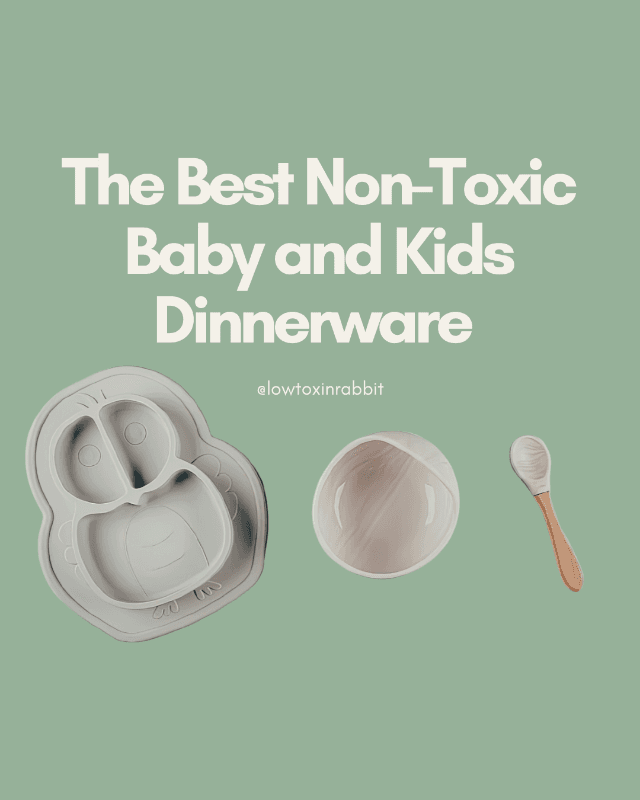
The Best Non-Toxic Baby and Kids Dinnerware in NZ and AU
Most parents put a lot of thought into what goes into their baby's food. Far fewer think about what their baby's food is sitting in. The dinnerware you use every day, especially with babies and toddlers who mouth everything, can be a significant source of chemical exposure if you're not paying attention to what it's made from.
Materials to Avoid in Baby and Kids Dinnerware
Before getting into what to buy, it's worth understanding what you're trying to avoid and why. Three materials come up consistently as problematic for kids' dinnerware: plastic, melamine, and bamboo.
-1784538071351.png)
Plastic
Even plastics labelled BPA-free are not necessarily safe. BPA (bisphenol A) was replaced in many products with BPS and BPF, which research suggests carry similar hormonal disruption risks. A 2015 study published in Environmental Health Perspectives found that BPS and BPF showed oestrogenic activity comparable to BPA in laboratory testing. The problem is that the "BPA-free" label has become a marketing claim rather than a meaningful safety guarantee.
Heat makes this worse. When plastic dinnerware goes into the dishwasher or has hot food placed in it, the plastic degrades and leaches more chemicals into food. Scratched or worn plastic surfaces also release more particles than new ones. Given that babies eat multiple times a day from the same dishes, this adds up quickly.
Microplastics are a related concern. A 2020 study in Nature Food found that polypropylene baby bottles released millions of microplastic particles per litre of liquid when exposed to heat. Plates and bowls carry the same risk.
Melamine
Melamine dinnerware looks attractive and is marketed heavily for kids because it's lightweight and durable. The problem is that melamine can leach into food, particularly acidic foods and hot liquids. The European Food Safety Authority found in a 2010 review that melamine migration into food increases significantly with higher temperatures and food acidity. Melamine is a nitrogen-rich compound that caused a major public health crisis in China in 2008 when it was found in infant formula, causing kidney damage in thousands of children. The compound is not something you want in contact with food, and yet it's the base material in most of those colourful kids' plates you see at supermarkets.
Bamboo Dinnerware
This one surprises a lot of people. Most "bamboo" kids' dinnerware isn't pure bamboo. It's bamboo fibre mixed with melamine resin as a binding agent to give it its solid, mouldable form. A 2019 German study by the Federal Institute for Risk Assessment found that some bamboo composite dinnerware released melamine and formaldehyde into food, with formaldehyde levels exceeding EU safety limits when the dishes were used for hot food. In some cases, exceeding health-based daily intake limits by up to 30 times for adults and 120 times for children. The "natural" and "eco" branding on these products is misleading.
Silicone
Silicone gets a lot of praise as a safe alternative to plastic, but the reality is more complicated. Most silicone dinnerware on the market isn't pure silicone. It often contains fillers to cut costs, and those fillers compromise its stability. A quick test: pinch and twist the product. If it turns white, it has fillers. Most suction plates and divided plates fail this test.
The type of food matters too. Research has found that fatty and acidic foods increase chemical migration from silicone and most of what babies eat (purées, yoghurt, tomato sauce, fruit) ticks one or both of those boxes. Many parents also notice that their child's food picks up a faint taste or smell from the plate itself, a sign the material isn't as inert as it's marketed to be.
A 2023 study examining 42 food-contact silicone products found that 84% showed hormonal activity, with kitchenware carrying a high risk of endocrine disruption at higher temperatures. Ideally, avoid using silicone where food stays in contact for longer periods, and look for FDA-certified and if possible, LFGB-certified silicone products. That said, silicone does offer real functional benefits, like suction bases that keep bowls in place and cushioning that protects dinnerware from drops.
The Safest Materials for Baby and Kids Dinnerware
The good news is that there are genuinely safe options, and they're not hard to find once you know what you're looking for.
-1784538081578.png)
Stainless Steel
Food grade stainless steel (typically 18/8 or 304 grade and above) is widely considered the gold standard for non-toxic dinnerware. It doesn't leach chemicals, doesn't absorb food odours or stains, and holds up well to dishwasher heat. It's also durable enough to last through multiple children. The main limitation is that it's not microwave safe, but that's a reasonable trade off for something that won't put anything unwanted into your child's food.
Glass
Glass is completely inert and doesn't leach anything. The obvious downside with babies and toddlers is breakability, but tempered glass or glass with a protective silicone sleeve helps with this. For bowls and plates used at the table with supervision, glass can be a practical option.
Porcelain and Ceramic
Plain porcelain and food-safe ceramic are non-toxic and durable. The main thing to watch here is glazes. Some ceramic glazes, particularly on older or imported items, can contain lead or cadmium. Stick with certified food-safe ceramics from reputable brands and that are transparent about heavy metal testing.
What to Look for in Kids Dinnerware
When you're shopping and want to verify a product is what it claims to be, a few label terms are actually useful. "Food grade stainless steel" or "18/8 stainless steel" on steel products tells you you're getting a food-safe alloy. "100% food grade silicone" or even better "LFGB certified" matters on silicone containing products because silicone quality varies significantly. You want silicone to feature only on parts of dinnerware that are not making contact with food and are just an added safety feature, think silicone outers. For ceramics, "lead free glaze" and "cadmium free" are worth looking for specifically. Avoid anything that just says "BPA-free plastic" without specifying what plastic it is, or anything marketed as "eco bamboo" without disclosing its full composition.
The Best Non-Toxic Baby and Kids Dinnerware Available in NZ and AU
There are a handful of brands doing this well. Below are the ones we'd actually recommend, based on materials, transparency, and easily available in New Zealand and Australia.
Ease Baby
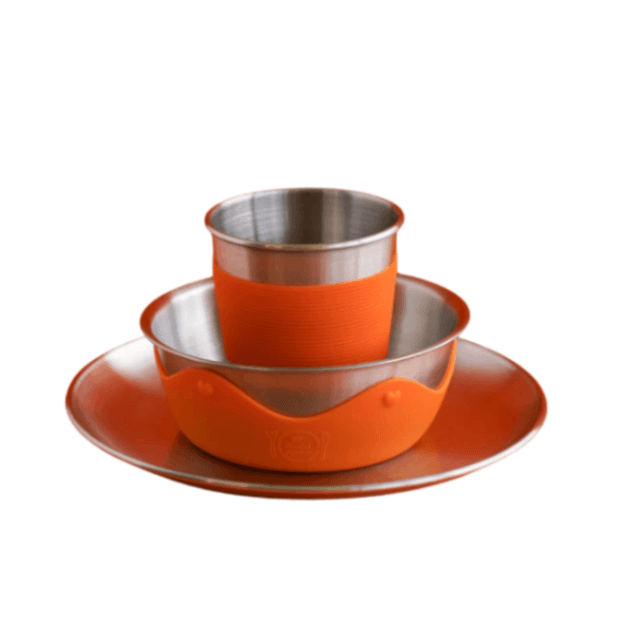
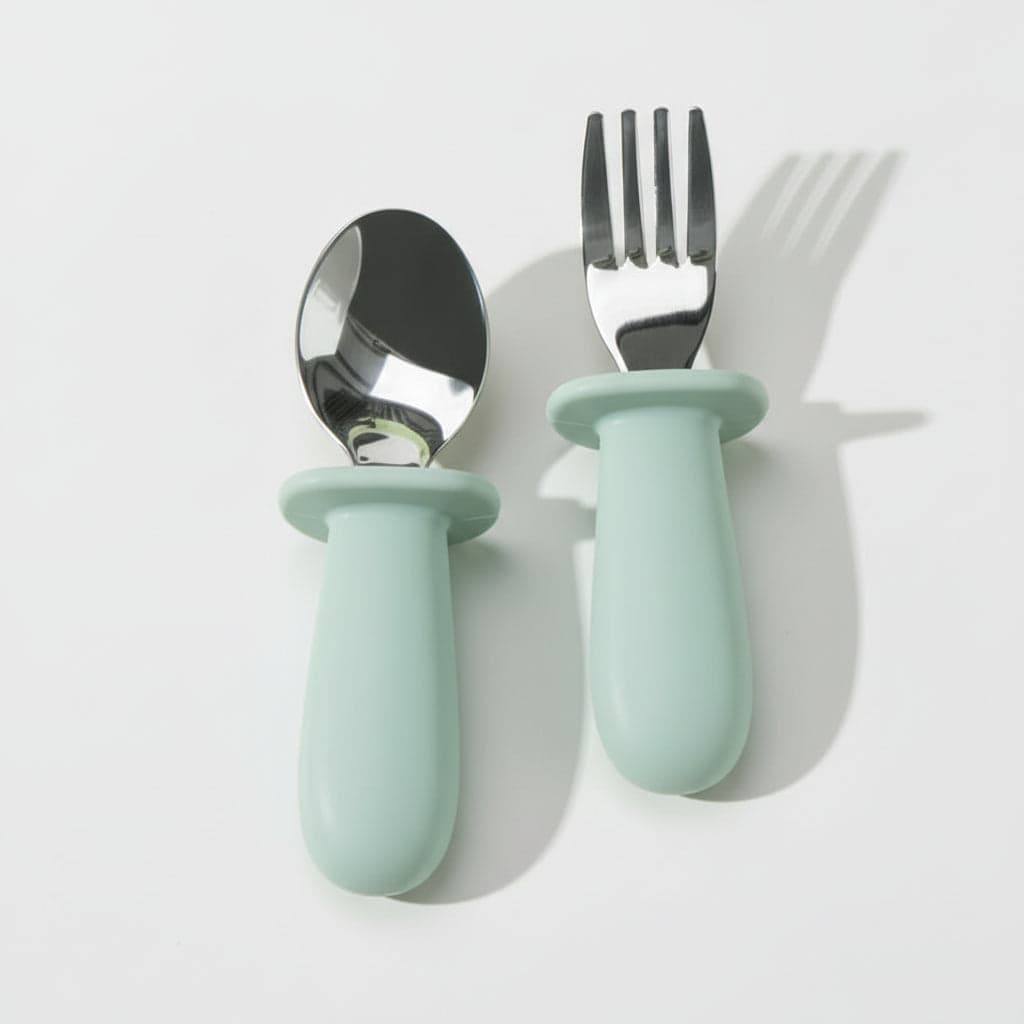
Ease Baby makes a well-designed stainless-steel feeding sets specifically aimed at babies and toddlers. They use the highest grade of stainless that I have found in kids and babies' dinnerware, and the brand is honest about what's in their products. It's a practical pick if you want a full set that covers cups, bowls and plates without having to source pieces from multiple places. It is even heavy metal tested!
Meadow Lane
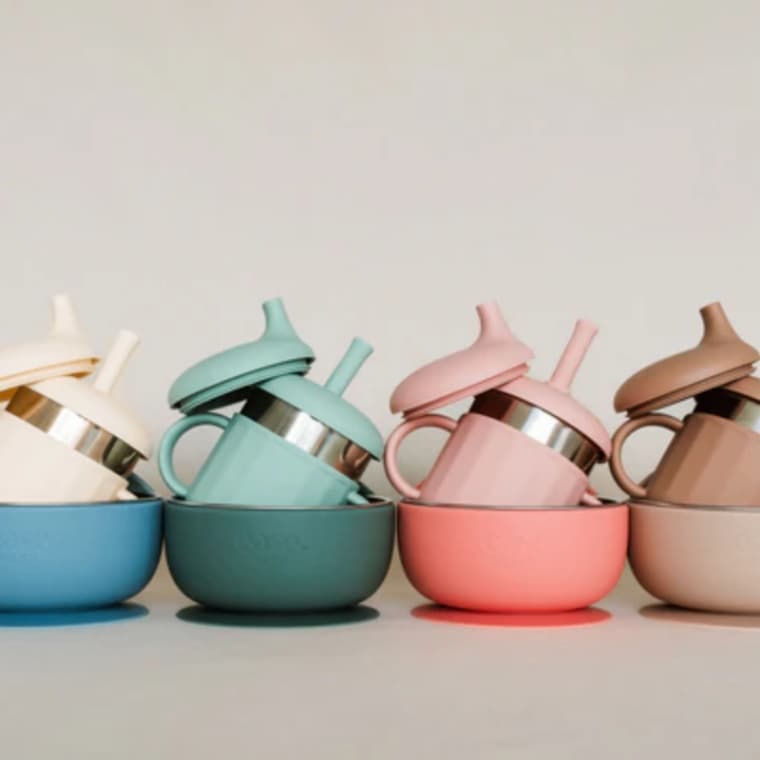
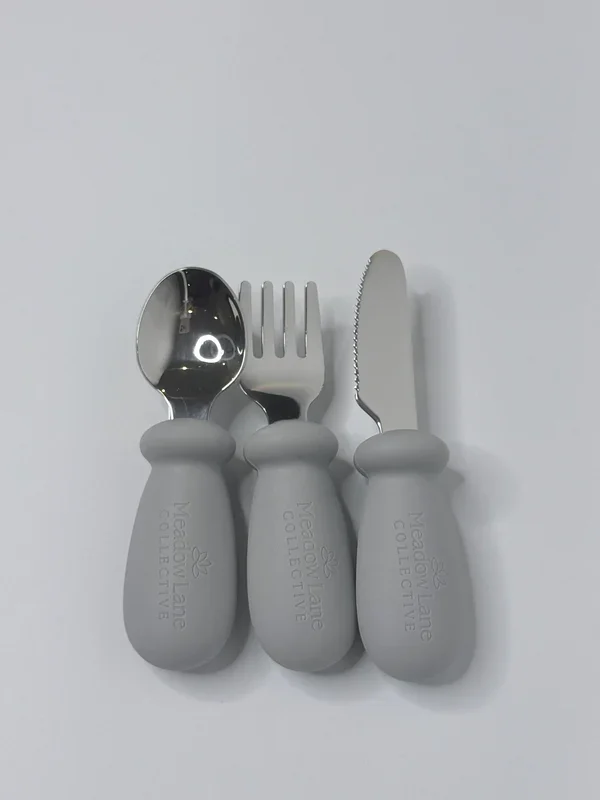
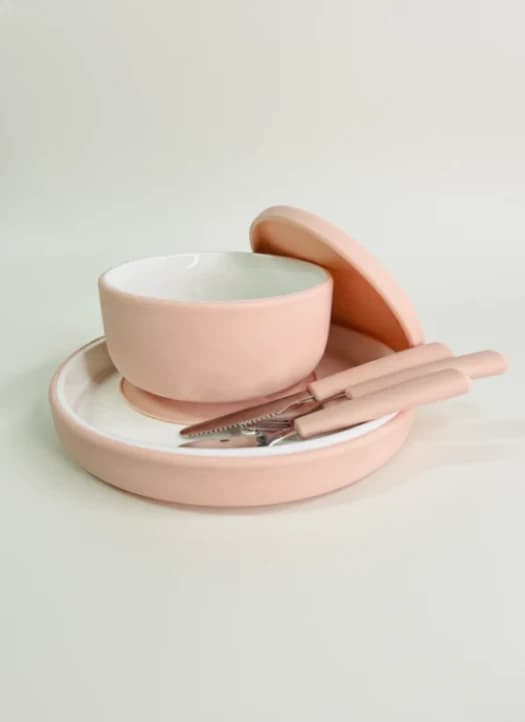
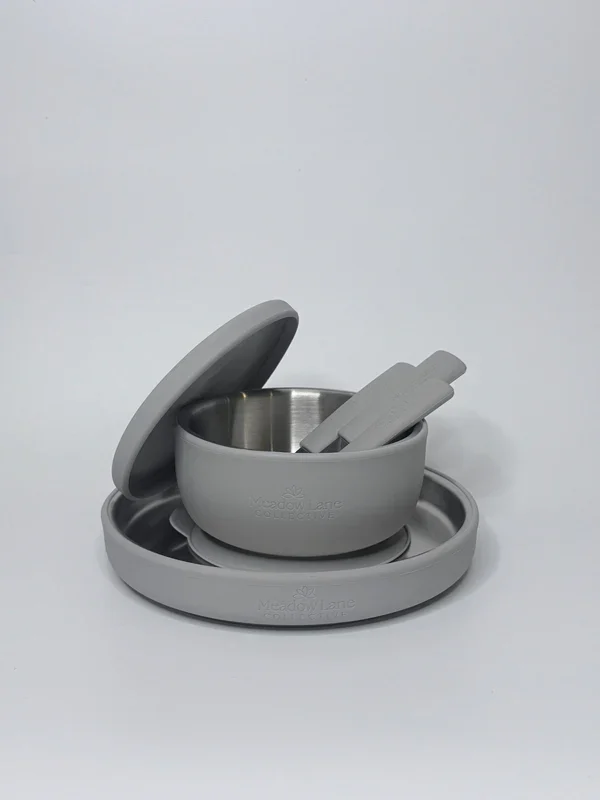
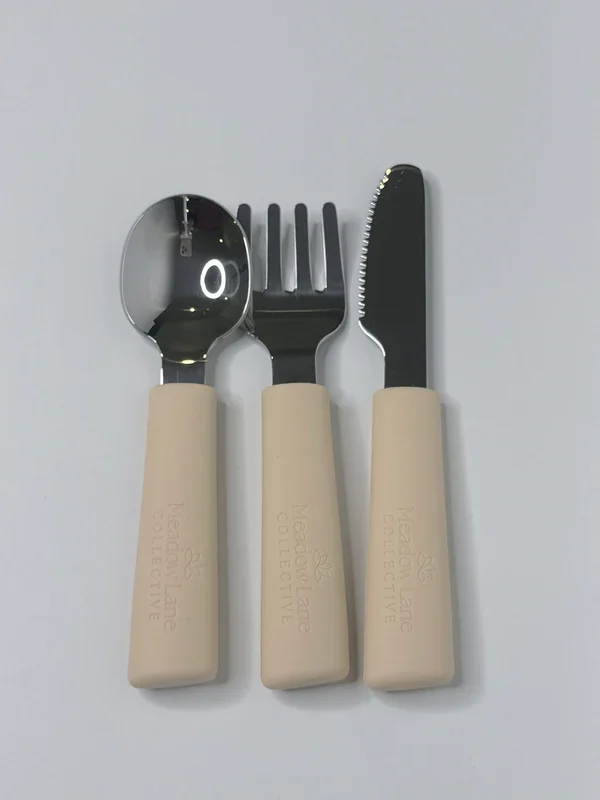
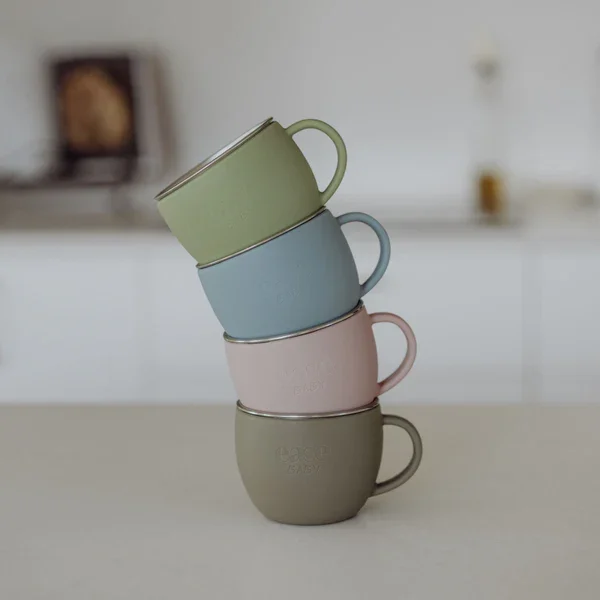
Meadow Lane Collective is an Australian brand offering stainless-steel and ceramic feeding sets designed to grow with your child from first foods through to preschool and beyond. Their standout for me is the LFGB-certified silicone used in the removable sleeves, LFGB is one of the stricter food-safety standards, so it's reassuring to see it where silicone meets food. The suction bases are strong, which is a lifesaver through the plate-throwing stage, and the pieces are thoughtfully sized for little hands. It's a practical pick if you want coordinated sets covering plates, bowls, cups and cutlery in one place, and everything is lab tested.
Kaakaa Baby (Kaally)
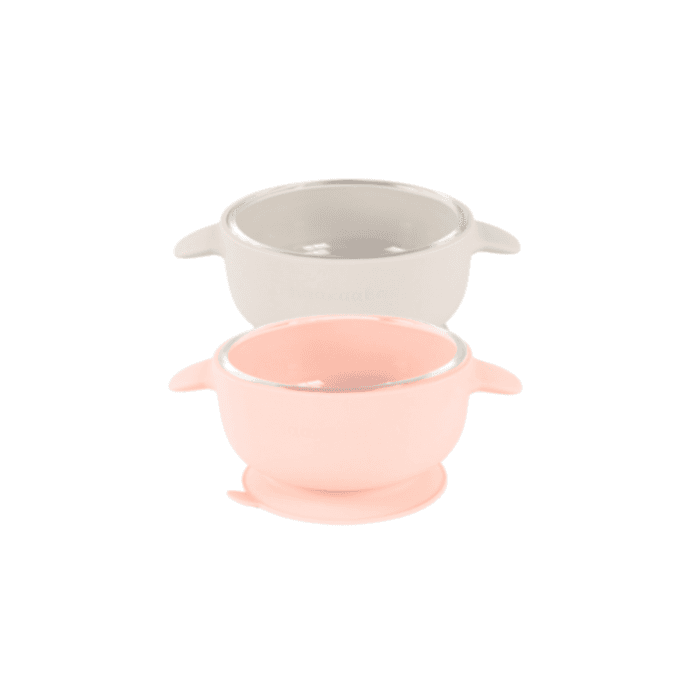
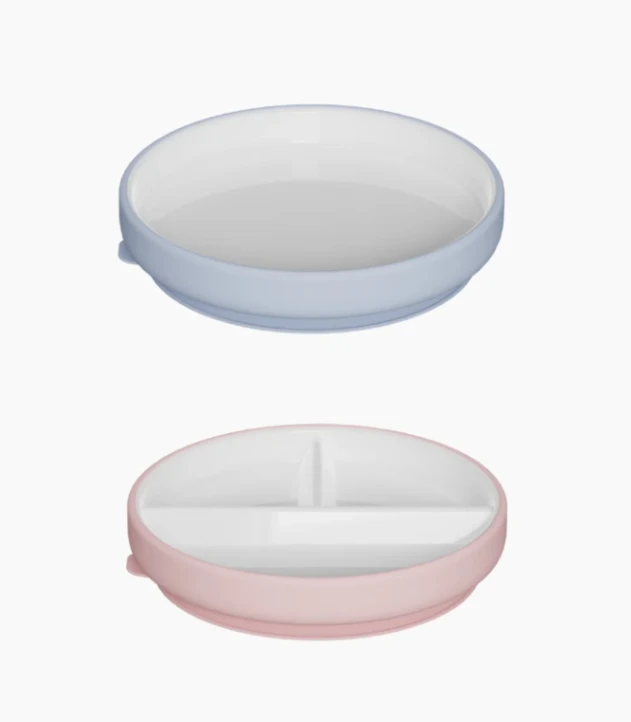
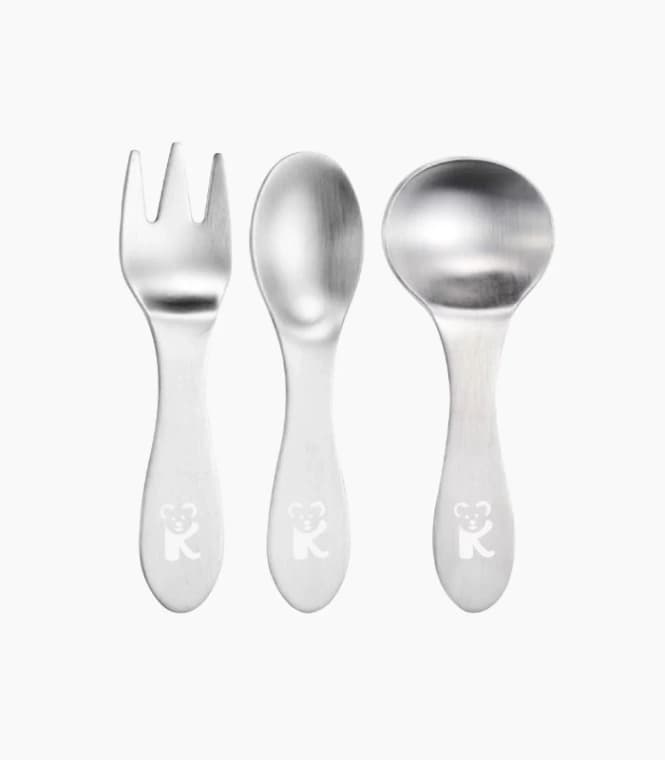
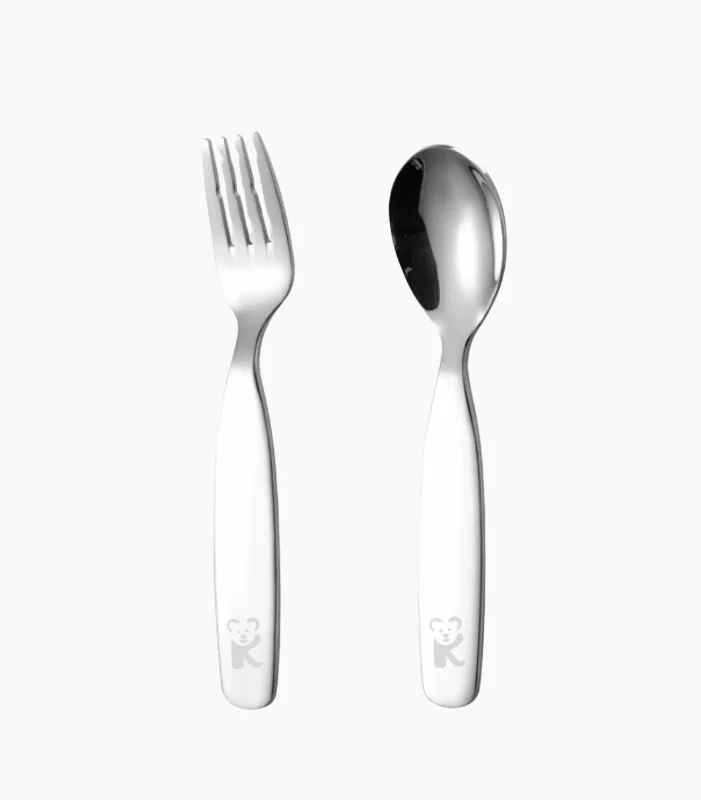
Kaakaa Baby covers a good range of non-toxic dinnerware options, including stainless-steel cutlery sets, a glass bowl with a silicone sleeve and a porcelain plate option. The glass bowl with sleeve is a particularly good option for home use, giving you the complete inertness of glass with some protection against drops. Kaakaa Baby also use the highest quality LFGB silicone for their sleeves and suction bases, and they independently test their products to ensure they are safe and free from lead and cadmium.
\
.png&w=3840&q=75&dpl=dpl_AJeU9jhf1b3cPtatKVTVssFYN6Hp)
Mindful Mealtime
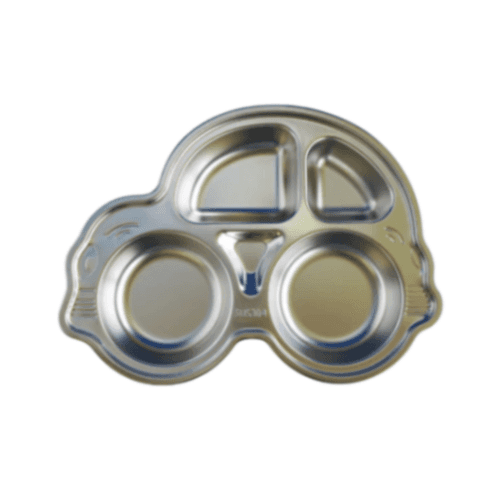
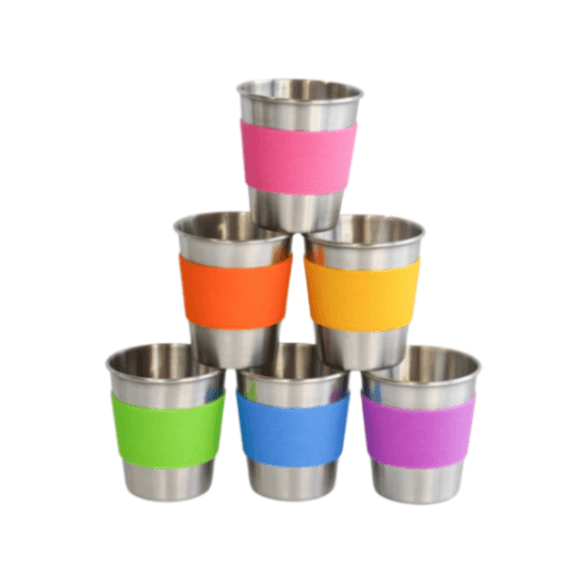
Mindful Mealtime offers a range of stainless steel dinnerware for babies and kids, including section plates, standard plates, bowls, cups and cutlery sets. They have some really cool plate designs too. All pieces are food grade stainless steel and free from plastic contact surfaces.
.png&w=3840&q=75&dpl=dpl_AJeU9jhf1b3cPtatKVTVssFYN6Hp)
Litill Lapsi
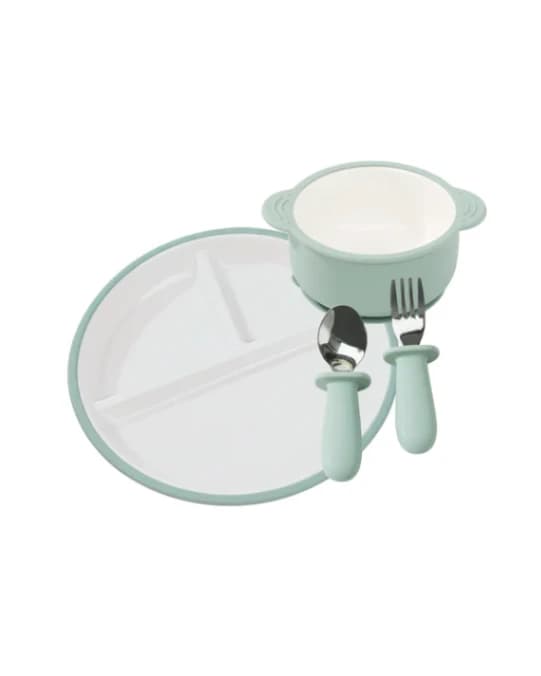
Lítill Lapsi is a NZ-owned brand offering ceramic toddler dinnerware, including a divided plate, bowl and cutlery set, with the option to buy the full set together. Ceramic is a lovely inert choice for little ones, and their pieces are microwave and dishwasher safe, odour-free and won't stain. Each plate and bowl has a removable silicone suction base that keeps things steady at mealtimes and lifts off easily for cleaning. A considered, well-priced option if you're after ceramic made specifically for small children.
Cups and Drink Bottles
The same material logic applies to cups. Avoid plastic sippy cups where possible: stainless steel and glass are the safest options, and everything here is lead free. Kaakaa Baby's cup is a good glass choice, while stainless steel picks like the Meadow Lane Collective cup, the Ease Baby sipper mug and the Smoo smoothie cup cover everyday drinking and are great for at home. For something portable and on the go, the Ease Baby water bottle and the PlanetBox Glacier sippy straw bottle are both great options.
 PlanetBox Glacier Sippy Straw Water BottleUse SARAH10 for 10% Storewide at Little Reef and FriendsView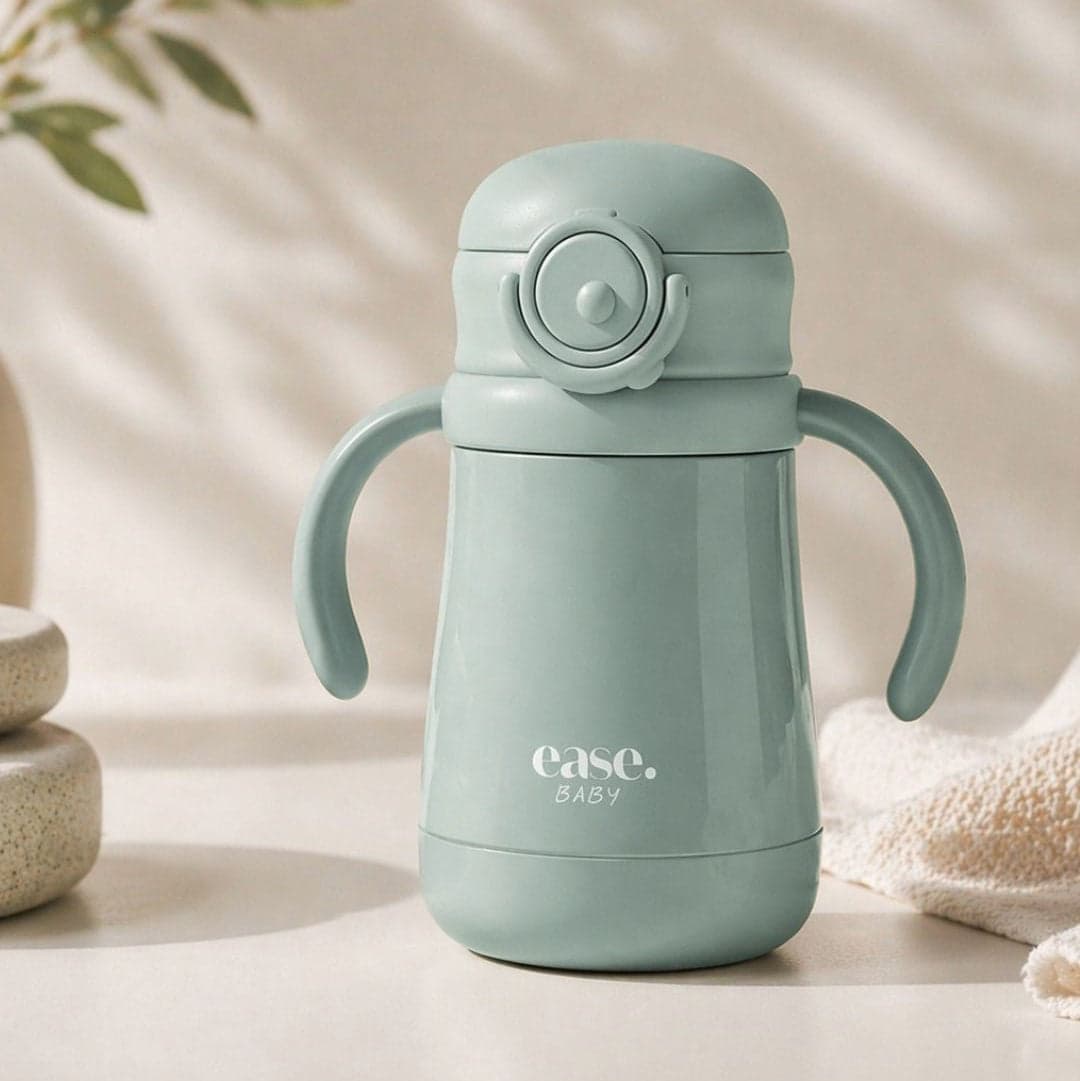
.png&w=3840&q=75&dpl=dpl_AJeU9jhf1b3cPtatKVTVssFYN6Hp)
 Smoo Stainless Steel Kids Smoothie CupUse SARAH15 for 15% off (excludes bundles and NutraOrganics Supps)View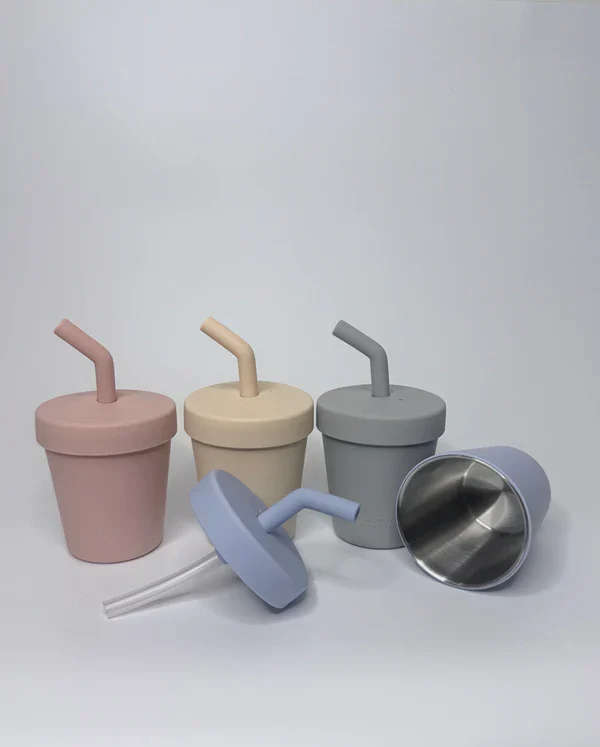
*This guide contains affiliate links.
Summary
Avoid plastic, melamine, and bamboo dinnerware for babies and young children.
The safest materials are stainless steel, glass, plain porcelain/ceramic, and high-quality food grade silicone.
Ease Baby, Mindful Mealtime, and Kaakaa Baby are all solid options available in NZ and AU with transparent material disclosures.
Check labels for "food grade stainless steel", "100% food grade silicone", and "lead free glaze" on ceramics.
Be sceptical of "BPA-free" plastic and "eco bamboo" claims without full material disclosure.
References
Rochester, J. R., & Bolden, A. L. (2015). Bisphenol S and F: A systematic review and comparison of the hormonal activity of bisphenol A substitutes. Environmental Health Perspectives, 123(7), 643–650. https://doi.org/10.1289/ehp.1408989
Li, D., Shi, Y., Yang, L., Xiao, L., Kehoe, D. K., Gun'ko, Y. K., Boland, J. J., & Wang, J. J. (2020). Microplastic release from the degradation of polypropylene feeding bottles during infant formula preparation. Nature Food, 1(11), 746–754. https://doi.org/10.1038/s43016-020-00171-y
EFSA Panel on Contaminants in the Food Chain (CONTAM) & EFSA Panel on Food Contact Materials, Enzymes, Flavourings and Processing Aids (CEF). (2010). Scientific opinion on melamine in food and feed. EFSA Journal, 8(4), 1573. https://doi.org/10.2903/j.efsa.2010.1573
German Federal Institute for Risk Assessment (BfR). (2019). Fillable articles made from melamine formaldehyde resin (BfR Opinion No. 006/2020). https://www.bfr.bund.de/cm/349/fillable-articles-made-from-melamine-formaldehyde-resin.pdf
Liu, Y.-Q., Wrona, M., Su, Q.-Z., Vera, P., Nerín, C., & Hu, C.-Y. (2021). Influence of cooking conditions on the migration of silicone oligomers from silicone rubber baking molds to food simulants. Food Chemistry, 347, 128964. https://doi.org/10.1016/j.foodchem.2020.128964
Feng, D., Li, X., Fan, X., Guo, Y., Zhang, J., Yuan, H., Wang, W., Zhao, T., & Han, T. (2023). Cytotoxicity, endocrine disrupting activity, and chemical analysis of 42 food contact silicone rubber products. Science of the Total Environment, 872, 162298. https://www.sciencedirect.com/science/article/abs/pii/S0048969723009142?via%3Dihub
Frequently Asked Questions
Is BPA-free plastic safe for babies?
Not necessarily. BPA was replaced in many products with BPS and BPF, which research suggests carry similar hormonal disruption risks. 'BPA-free' has become a marketing label rather than a safety guarantee, so it's better to avoid plastic dinnerware altogether for babies and young children.
Why is bamboo dinnerware not recommended for kids?
Most bamboo kids' dinnerware isn't pure bamboo. It's bamboo fibre bound with melamine resin to make it mouldable. A 2019 German study found some bamboo composite dinnerware released melamine and formaldehyde into food, particularly when used with hot food. The eco branding on these products is misleading.
What is the safest material for baby bowls and plates?
Food grade stainless steel (18/8 or 304 grade) is widely considered the safest option. It doesn't leach chemicals, is dishwasher safe, and is very durable. Glass and plain porcelain or ceramic are also excellent choices too. High-quality 100% food grade silicone (ideally LFGB certified) is safe for suction bowls and flexible items.
How can I tell if silicone dinnerware is food grade?
Look for products that explicitly state '100% food grade silicone' with no fillers and ideally you want LFGB certified (the highest standard). You can also do a pinch test at home: pinch and twist the silicone firmly. If white shows through, it likely contains fillers and is lower quality. Pure food grade silicone stays its original colour under pressure.
Is melamine dinnerware safe for children?
No. Melamine can leach into food, especially with acidic foods and hot liquids. The European Food Safety Authority has confirmed that melamine migration increases with temperature and acidity. Despite being widely marketed for children due to its durability and bright colours, melamine is not a safe choice for kids' dinnerware.

.png&w=828&q=75&dpl=dpl_AJeU9jhf1b3cPtatKVTVssFYN6Hp)