
The Ultimate Water Filter Guide
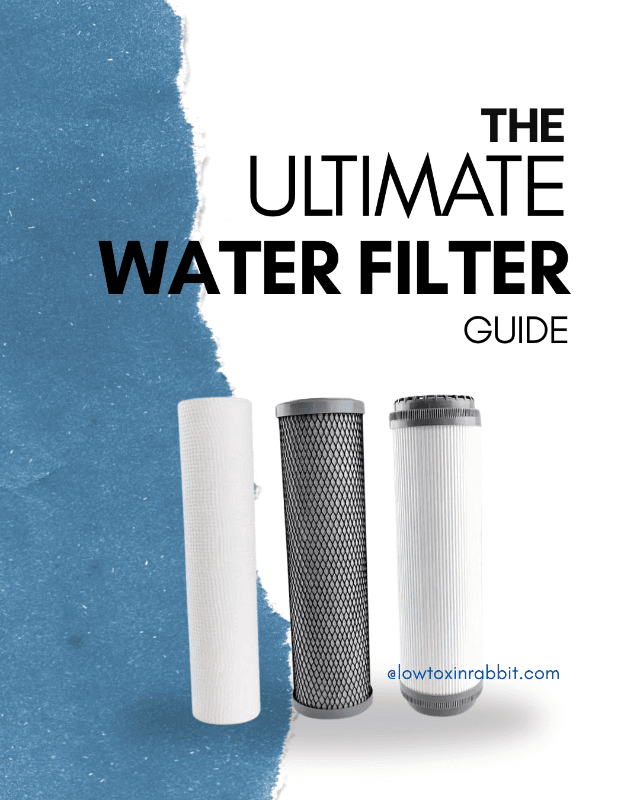
Choosing the right water filter for your home can feel overwhelming. With so much conflicting information and misleading marketing claims like “removes contaminants efficiently” it’s hard to know what really works. Dig deeper, and you’ll often find these filters don’t remove as much as promised.
This ultimate water filter guide cuts through the hype, helping you decide on the filter type and the filtration method that will be best for you and your family.
What’s Actually in Your Tap Water?
.png)
Even though developed countries generally enjoy sterile tap water, unfortunately, it still contains many contaminants. Here's a look at common contaminants found in tap water and their potential health impacts:
Chlorine: Used to disinfect the water and kill harmful pathogens. However, it can cause skin irritation and has been linked to certain types of cancer due to byproducts formed during the chlorination process. In fact, one recent study showed a 33% increased risk of bladder cancer and 15% increased risk of colorectal cancer.
Fluoride: Added to water supplies for dental health benefits. Not everyone wants it in their drinking water due to evidence showing it can cause more harm than good. Traditionally, fluoride was used as a pesticide to kill cockroaches. Research has also shown it can negatively impact IQ and is a possible neurotoxin. Fluoride can also cause Dental Fluorosis and Skeletal Fluorosis which can cause damage to teeth and bones over time. Some studies suggest that high levels of fluoride might affect thyroid function, particularly in iodine-deficient individuals.
Heavy Metals (Lead, Arsenic): These can leach into the water from old plumbing systems, posing risks like lead poisoning, particularly in children.
PFAS (Per- and Polyfluoroalkyl Substances): Known as "forever chemicals," these are linked to various health issues, including hormone disruption and increased cancer risks. They are in fact classified by the International Agency for Research on Cancer (IARC) as carcinogenic to humans.
Microorganisms (Bacteria, Viruses): Though largely managed through water treatment processes in town water, some can still make their way into household water, particularly in rural areas.
Sediments: Includes particles like sand, rust, and dirt, affecting water clarity and quality.
Microplastic: These tiny particles can travel far and wide in the environment and accumulate in body tissues. While researchers are still working to fully understand the potential health implications of ingesting microplastics through activities like drinking water, avoiding them is generally seen as a wise choice.
Nitrates: Generally, from farms and rural run off. Research has found a connection between nitrate levels and certain types of cancer including breast cancer, bladder and colorectal. One review stated “the strongest evidence for a relationship between drinking water nitrate ingestion and adverse health outcomes is for colorectal cancer, thyroid disease, and neural tube defects”.
Why Filter Your Water?
Why bother with a filter, you ask? Well, hopefully the above overview of contaminants answers the major reason why we should be filtering our water. Clearly, there are health benefits. If you are filtering out the nasty stuff you will be consuming fewer toxins and reducing your risk of adverse health outcomes caused by many of the contaminants found in tap water.
There is also the benefit of improved taste and smell of your water. You can say goodbye to your water smelling like a public swimming pool. Often you can become adapted to the taste of chlorine and other contaminants so that it begins to taste normal when it isn’t. Once you’ve spent a few weeks drinking pure water and try to go back you’ll be shocked by how awful it tastes.
There is also the spinoff of protecting your appliances. Filters help stop mineral buildup and extend their life, your kettle and washing machine will likely last longer and I am sure your wallet will thank you.
What are the Types of Water Filters?
Now we know what to avoid, let's break down the types of water filters, how they work, what they’re made of, and the pros and cons about each type.
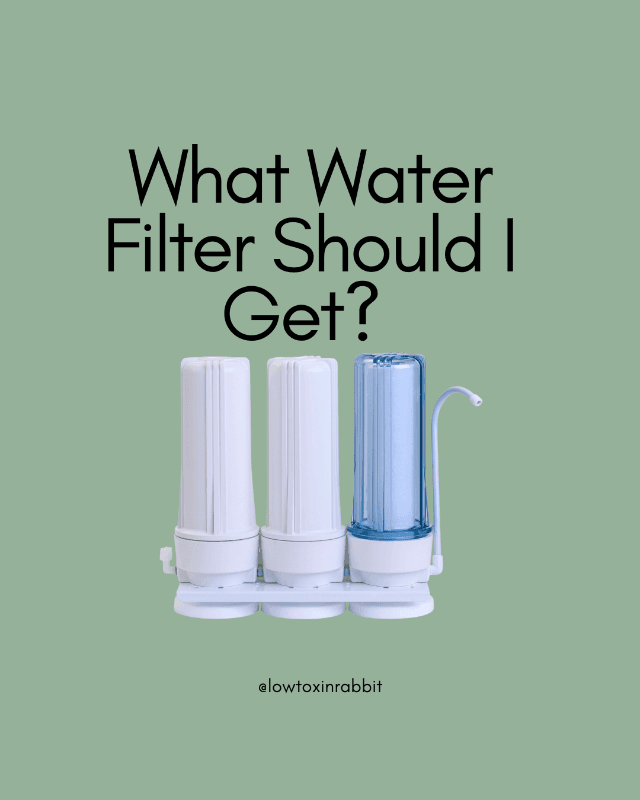
1. Benchtop Filters: These filters sit on the kitchen counter and are connected directly to the faucet via a hose.
Pros:
Easy to install and portable.
No permanent modifications are required to plumbing.
Cons:
Takes up bench space.
Limited to filtering water at one tap.
2. Whole House Filters: Installed at the point where water enters the home, filtering all water used for drinking, bathing, cooking, and laundry.
Pros:
Filters water for the entire house.
Protects plumbing and appliances from sediment and chemicals.
Cons:
Higher installation cost and complexity.
Larger and more expensive filters required.
May require professional installation.
Often cannot filter out all contaminants as effectively as bench top or under sink filter. In particular, Fluoride. You often have to install not only a whole house filter but also an under sink to effectively remove fluoride.
3. Under-Sink Filters: Installed under the kitchen sink and usually come with a dedicated tap for dispensing filtered water.
Pros:
Hidden from view, saving bench space.
Provides a steady supply of filtered water at the kitchen tap.
Cons:
Installation can be more involved than benchtop models.
Typically filters water from only one faucet.
4. Shower Filters: These filters are attached directly to the showerhead and are designed to remove chlorine, heavy metals, and other chemicals from the water used for bathing.
Pros:
Easy to install without significant plumbing work.
Helps reduce exposure to potentially harmful chemicals during showers.
Can improve the feel and texture of hair and skin by reducing harsh chemicals in the water.
Cons:
Requires regular replacement of filter cartridges.
May not be as effective in removing a wide range of contaminants compared to other types of water filters.
Things to Consider in Choosing a Water Filter
Picking a water filter isn’t complicated, but it does require a bit of planning. Here are some key things to consider when buying a water filter:
Have You Tested Your Water?
Understanding what’s in your water is the first step. A water test can help identify the contaminants you need to filter out. You can send a sample to a professional lab like Hill Labs for detailed results (though this can be expensive) or use an at-home water testing kit for a general indication of what might be lurking in your tap water.
Are You in a Rental?
If you own your home or plan to stay long-term, a whole-house system or under-sink filter may be a good investment. If you’re renting, benchtop filters and shower filters are great options as they can be easily installed and taken with you when you move.
What’s Your Budget?
Filters vary in price, so it’s important to consider not just the upfront cost but also the ongoing maintenance and filter replacement costs. Some filters may seem affordable initially but can be costly to maintain in the long run.
What Do You Need to Remove?
Different filters target different contaminants, so check what each option removes before purchasing. You want a filter that effectively tackles the specific impurities in your water, not just one that sounds good on paper.
Water Filtration Methods
When choosing a water filter, it's important to know which contaminants each type can actually remove. Not all filters are created equal, some remove sediments, others can remove chemicals, and only a few tackle bacteria or PFAS. Here's a quick reference guide on what each type removes and doesn’t:
Water Filter Comparison Guide

Some key takeaways:
Layering filters is often the best option.
Activated carbon is excellent for improving taste, smell, and removing common household contaminants.
Reverse osmosis and distillation are the most thorough but also remove healthy minerals essential in water.
UV is great for killing germs but doesn’t remove anything physically.
Sediment filters protect your system from clogging by removing large particles upfront.
FAQs: How Each Filtration Method Works
How do Polyspun Filters Work?
Also known as sediment filters, are made from tightly wound polypropylene fibres. As water passes through the layers, the density gradually increases, trapping larger particles on the outside and finer particles deeper within. These filters act as the first line of defence in a filtration system, catching physical impurities before the water reaches other filter stages.
How do Activated Carbon Filters Work?
Activated Carbon Filters use a porous carbon material to attract and hold chemicals and contaminants. These filters have small porous carbon pieces. Just 4 grams of activated carbon could cover the area of a football field (6400 sqm). That is a lot! This large surface area makes them very effective at removing contaminants. When the water flows through active carbon filters the chemicals stick to the carbon resulting in contaminants being left behind and purer water output.
How do Ion Exchange Filters Work?
Ion exchange filters work by swapping unwanted ions in the water with more desirable ones. These filters are usually filled with a special resin that attracts and traps ions like calcium, magnesium, or heavy metals. When water passes through the resin, the unwanted ions are left behind, and the resin releases other ions like sodium or potassium into the water instead. Ion Exchange Filters are effective as water softeners and can help reduce scale in plumbing.
How do Reverse Osmosis Filters Work?
Reverse osmosis involves passing water through a semi-permeable membrane to remove impurities. This process effectively filters out a wide range of contaminants by using pressure to force water molecules through the membrane while leaving larger particles and dissolved substances behind.
One of the negative aspects is that it produces wastewater (can be as much as three times the purified amount) and removes healthy minerals needed like magnesium.
How do UV Light Water Filters Work?
UV (Ultraviolet) Water Filters are used to kill microorganisms like bacteria, algae and viruses. They don’t actually filter anything out but improve the water quality by ensuring these microorganisms are dead and so can’t cause issues to your body.
How do Water Distillers work?
Water distillers work by boiling water into steam, separating it from the original source and then recondensing it. This process removes practically all contaminants including minerals and microorganisms but has the downside of also removing beneficial trace elements from your water. It also is a reasonably slow process so you would only produce smaller volumes suitable for drinking rather than using this process for your whole house water supply.
How does Activated Alumina work?
Activated Alumina filters are made of a form of aluminium oxide that is highly porous and uses adsorption to cause contaminants to stick to its surface. They are specifically designed to remove fluoride and heavy metals such as arsenic. It’s typically used as one stage of a multistage filter rather than being used by itself. It should be noted that with water at certain pH levels it can leach small amounts of aluminium into the water. Studies have shown that the amount of aluminium leached is within safe levels.
FAQs: What is a Water Filter Micron Rating?
When choosing a water filter, another key factor to consider, aside from what it’s made from, is its micron rating. This rating tells you the size of the particles the filter can trap and what might still pass through.

A micron is a unit of measurement equal to one-millionth of a metre. To put that into perspective:
A human hair is about 70 microns wide
A red blood cell is around 8 microns
The smallest particles visible to the naked eye are about 40 microns; anything smaller requires a microscope to see.
Most water filters display their micron rating, which gives you an idea of how fine the filter is and what contaminants it can remove. In general, the lower the micron rating, the more contaminants the filter can block.
Common Micron Ratings and what they remove:
0.5 Microns – Removes most bacteria, cysts, and some viruses. Found in high-end filtration systems and drinking water dispensers.
1 Micron – Captures fine sediment, some bacteria, and cysts. Suitable for under-sink and countertop filters.
5 Microns – Traps larger particles like sand and silt. Often used as a pre-filter for whole-house systems or well water.
Micron ratings are commonly found on activated carbon filters, ceramic filters, sediment filters, and ultraviolet (UV) filters. Choosing the right one depends on the level of filtration you need for your water supply and what you are wanting to remove. A rule of thumb is the smaller the micron size the more it will remove.
FAQs: Water Filter Types for Specific Contaminants
What water filter removes fluoride?
Processes such as reverse osmosis or distillation and compounds such as activated alumina or bone char are effective means of removing fluoride from drinking water. Because fluoride ions are microscopic in size, standard carbon filtration will be ineffective in removing fluoride from water.
The problem with activated alumina is that it can leave aluminium residue behind in the water.
What water filter removes microplastics?
Reverse Osmosis (RO) Filters removes nearly all microplastics (99%+). Activated Carbon Block Filters are effective for larger microplastics, but not as thorough as RO. Ceramic Filters can filter out microplastics, but pore size must be small enough (≤1 micron). Distillation also removes microplastics by boiling and condensing water.
What water filter removes pfas?
The most effective water filters for removing PFAS (Per- and Polyfluoroalkyl Substances) are Reverse Osmosis (RO) Filters, Activated Carbon Filters and Ion Exchange Resins.
What water filter removes lead?
Filter materials that are effective at removing lead include Activated Carbon Filters, Reverse Osmosis (RO) and Ion Exchange Filters.
What water filter removes bacteria?
A few options are effective at removing bacteria including Ceramic Filters, UV Light Systems and Reverse Osmosis (RO) and Micron Filters: Filters rated at 0.5 microns or lower effectively remove most bacteria.
References:
https://pmc.ncbi.nlm.nih.gov/articles/PMC6068531/
https://bmcoralhealth.biomedcentral.com/articles/10.1186/s12903-024-04472-7
https://jamanetwork.com/journals/jamapediatrics/fullarticle/2828425
https://jamanetwork.com/journals/jamapediatrics/fullarticle/2748634
https://jech.bmj.com/content/69/7/619
https://www.scielo.cl/pdf/ijodontos/v13n1/0718-381X-ijodontos-13-01-00046.pdf.
https://www.sciencedirect.com/science/article/abs/pii/B978012824315200511X
https://pmc.ncbi.nlm.nih.gov/articles/PMC3491930/
https://pubmed.ncbi.nlm.nih.gov/39837568/
https://www.cdc.gov/lead-prevention/risk-factors/children.html
https://dceg.cancer.gov/research/what-we-study/pfas
https://pmc.ncbi.nlm.nih.gov/articles/PMC10151227/
https://efsa.onlinelibrary.wiley.com/doi/epdf/10.2903/j.efsa.2006.394


.png&w=828&q=75&dpl=dpl_GmiU14p87zrv8k1ZHC4df9Vg82K5)
.png&w=828&q=75&dpl=dpl_GmiU14p87zrv8k1ZHC4df9Vg82K5)