Tips for Choosing Stainless Steel in Your Kitchen
.png&w=3840&q=75&dpl=dpl_DyvDZDA6DfgsGTvNNN9GfFoq5Hei)
Stainless steel is a popular choice of material when choosing items in your kitchen as it is considered to be a safer option in terms of toxicity. However, it's important to understand that not all stainless steel is the same!
Understanding Stainless Steel Grades:
Stainless steel comes in different grades, such as the 400 series, 300 series, and 200 series, each with varying qualities and capabilities to withstand high temperatures.
The Importance of Chromium and Nickel:
Look for descriptions like 18/8 or 18/10 when choosing stainless steel cookware. These numbers indicate the percentages of chromium and nickel in the alloy. Nickel enhances corrosion resistance, making the cookware longer-lasting, while chromium contributes to its hardness and protection against rust.
Choosing the Right Grade:
- 300 Series: This grade (e.g., 304 stainless steel) is popular for kitchenware due to its balanced chromium and nickel content. It's durable and resistant to corrosion, but may not be suitable for those with nickel sensitivities.
- 400 Series: Stainless steel in this series (e.g., 18/0) lacks nickel, making it ideal for individuals with severe nickel allergies. However, it's more prone to tarnishing and corrosion over time.
- Avoid 200 Series: This grade has a higher risk of leaching undesirable substances into food and is generally less recommended for kitchen use.
- Best Choice: Grade 316: Known as marine-grade stainless steel, 316 is the highest quality option, offering superior resistance to corrosion and leaching. It's excellent for cookware but can be more expensive. If you cannot find Grade 316, that is okay! Any of the 300 series is a safer choice when it comes to Stainless Steel cookware.

Tips to Minimise Leaching and Extend Stainless Steel Life:
- Use wooden or silicone utensils to avoid scratching the stainless steel surface.
- Avoid prolonged storage of salty or acidic foods in stainless steel containers; use glass or ceramic instead for these foods.
- Hand wash stainless steel cookware instead of using a dishwasher to maintain its longevity.
- Allow stainless steel pots and pans to cool before cleaning to prevent warping or damage.
These tips are designed to help you choose the perfect stainless-steel pots, pans, and utensils for your kitchen without breaking the bank. It's important to opt for at least the 300 series to ensure no toxins make their way into your food!
.png)
Let me know if you found this information useful and will help you make better choices when picking stainless steel option

People who viewed this also viewed

The Truth About GMO-Derived Rennet and Why It's Important to Choose GMO-Free Cheese
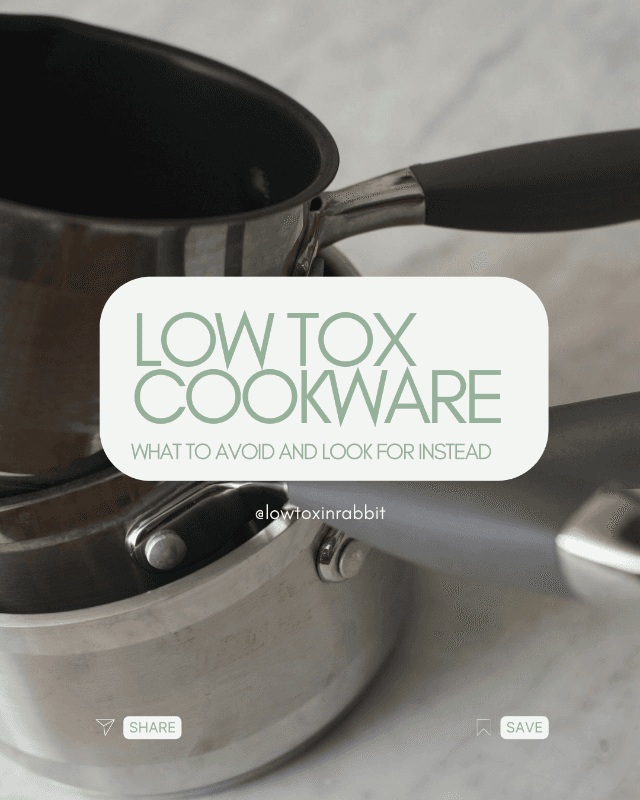
Non-Toxic Cookware Guide: Which material is really healthiest for cooking?
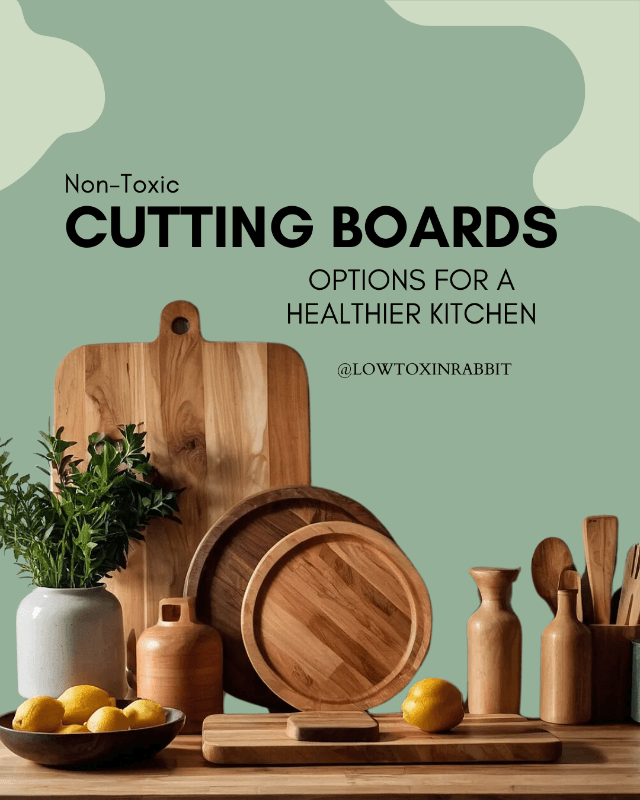
Ultimate Guide to Non-Toxic Cutting Boards for a Healthy Kitchen
.png&w=828&q=75&dpl=dpl_DyvDZDA6DfgsGTvNNN9GfFoq5Hei)
Which Chocolate Should You Actually Buy? A Brand-by-Brand Guide

Water Filters