Toxins Lurking in Your Sunscreen: Ingredients to Avoid
Sunscreen is our go-to defence against the sun's harmful UV rays, guarding our skin from sunburns and lowering the risk of skin cancer. However, not all sunscreens are created equal. Recent research has raised concerns about common ingredients found in sunscreens. Let’s take a look at toxins commonly found in sunscreens, why you should avoid them and safer options available.
Sunscreen Ingredients to avoid

1. Oxybenzone: The Most Worrisome Ingredient
Oxybenzone tops the list of concerning sunscreen ingredients. This chemical is not only easily absorbed through the skin but has also been detected in nearly all Americans, especially in those who frequently apply sunscreen. Oxybenzone has been linked to allergic skin reactions and hormone disruptor.
Research Findings:
Adolescent boys with higher oxybenzone levels had significantly lower total testosterone levels.
Oxybenzone exposure during pregnancy has been associated with various birth outcomes, including shorter pregnancies for women carrying male fetuses and altered birth weights.
The National Toxicology Program discovered inconclusive evidence of potential carcinogenic effects in rats when they observed heightened instances of thyroid tumours and uterine enlargement in female rats exposed to high levels of oxybenzone.
Many countries have banned oxybenzone because of the harm it poses to marine life.
2. Octinoxate (Octyl Methoxycinnamate): Hormone Disruptor
Octinoxate, another organic UV filter, is readily absorbed by the skin and can continue to be absorbed even after sunscreen application. It has been found in blood samples at levels well above the proposed FDA safety threshold. Studies have shown that octinoxate can disrupt hormone production and cause allergic reactions when exposed to ultraviolet light.
3. Homosalate: Hormone Disruption and Toxic Byproducts
Homosalate, commonly used in sunscreens, has been flagged by the FDA for insufficient safety data. Research indicates that homosalate can penetrate the skin, disrupt hormones, and produce toxic byproducts over time.
4. Octisalate (Octyl salicylate): Excessive Absorption and Endocrine Effects
Octisalate, an organic UV filter, is known to absorb through the skin at levels significantly exceeding the FDA's cutoff for systemic exposure. The FDA's does not classify octisalate as safe and effective sunscreen ingredient. Moreover, it has been linked to allergic contact dermatitis and may have endocrine effects, weakly binding to the estrogen receptor.
5. Octocrylene: Absorption Concerns and Aquatic Toxicity
Octocrylene readily absorbs through the skin at levels far exceeding the FDA's acceptable limits for systemic exposure. The FDA acknowledges insufficient data to determine its safety and effectiveness. Additionally, octocrylene has been associated with aquatic toxicity, potentially harming coral health. It can also be contaminated with benzophenone, a known carcinogen.
6. Avobenzone (Methoxydibenzoylmethane): Unstable and Allergenic
Avobenzone is a widely used organic filter that provides protection from UVA rays. However, its instability requires it to be paired with stabilizing ingredients. Breakdown products of avobenzone have been known to cause allergic reactions and disrupt the endocrine system. Studies have detected avobenzone in samples at levels exceeding FDA safety thresholds.

Safer Sunscreen options:
The safest active sunscreen ingredients you can use is non-nano Titanium dioxide and Zinc oxide! I prefer to use Zinc Oxide based sunscreens as it is in my opinion is the safest of the two mineral actives.
Here are some sunscreen recommendations I would be happy to use on myself and family this summer or check out my Product Guide here:
Top Sunscreen Picks
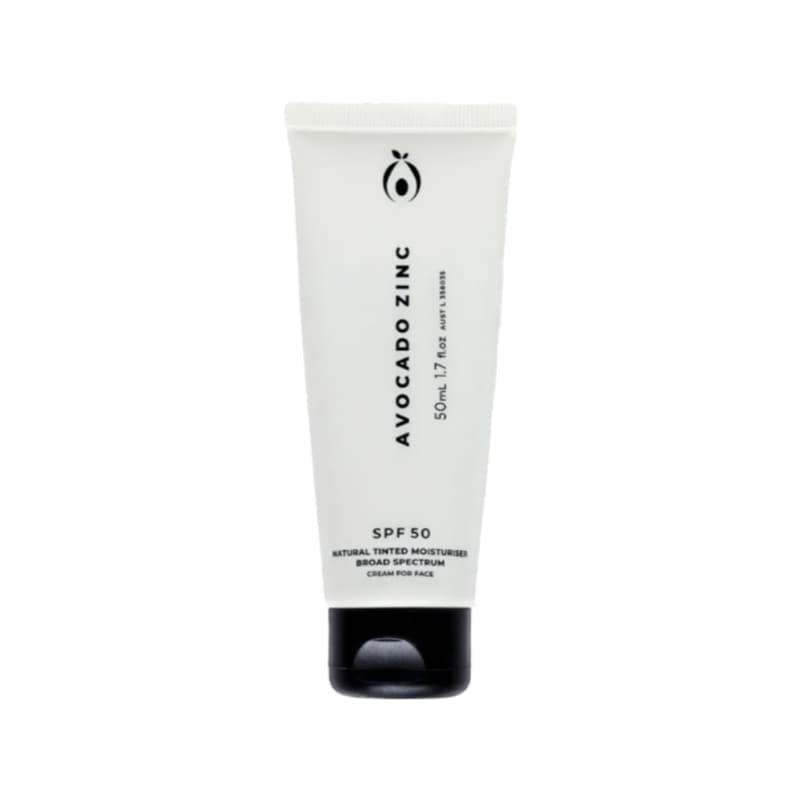
Avocado Zinc SPF 50 Natural Tinted
Use SARAH10 for 10% (excludes bundles) with Skinhub
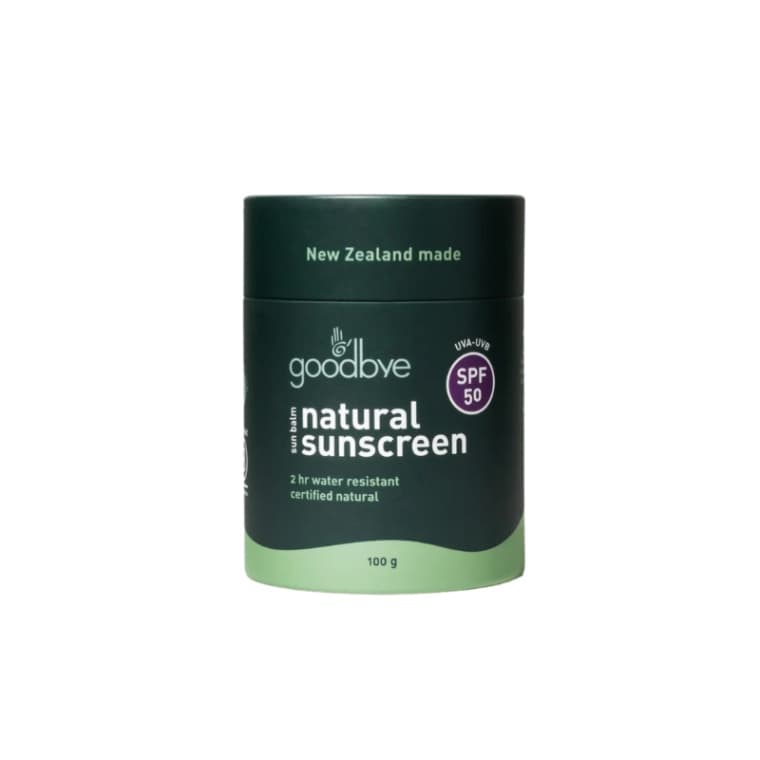
Goodbye Natural Sun Balm
Sarah10 for 10% storewide and can be used in conjunction with other offers
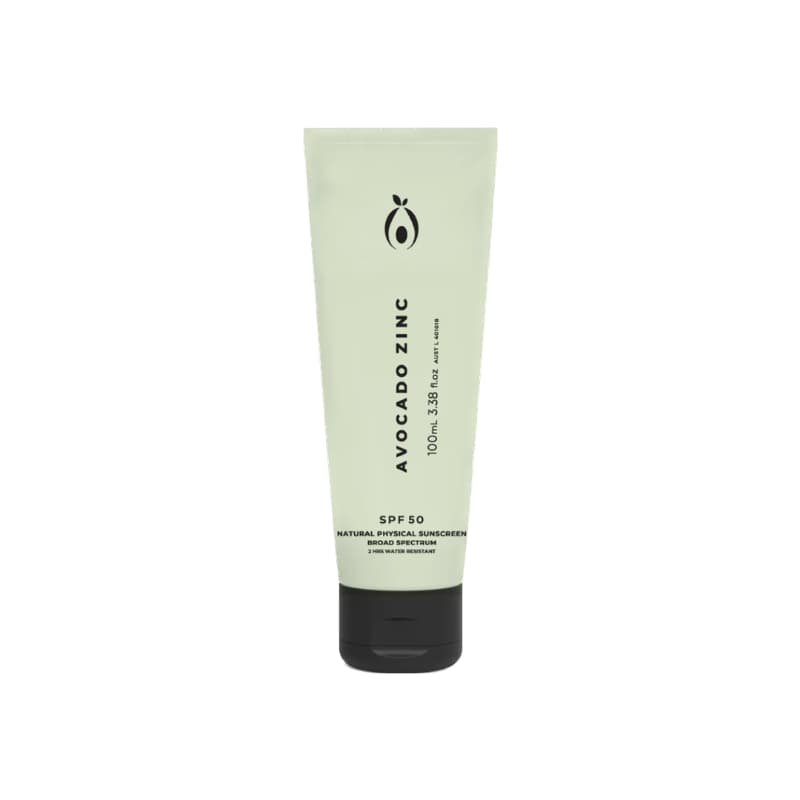
Avocado Zinc SPF 50 Natural Physical Sunscreen
Use SARAH10 with Skinhub
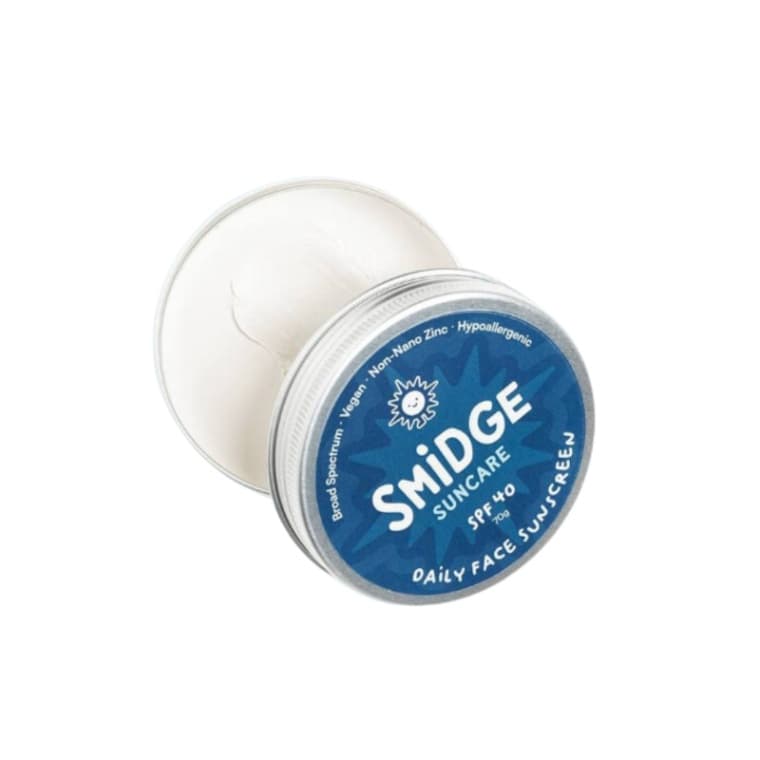
Smidge Sunscreen
Use SARAH15 for 15% off fully priced items (excludes bundles).
.png&w=3840&q=75&dpl=dpl_DyvDZDA6DfgsGTvNNN9GfFoq5Hei)
SunButter Original Sunscreen - SPF50
Use SARAH10
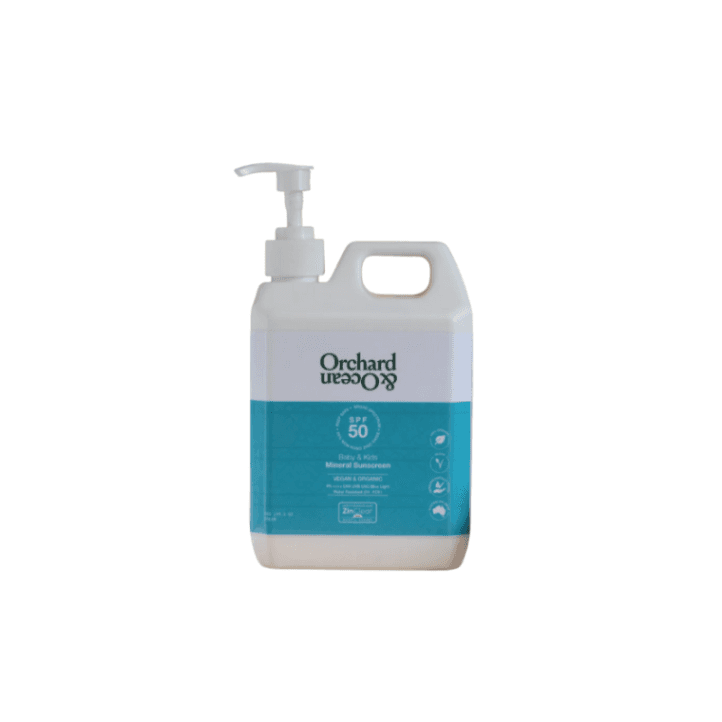
Ocean and Orchard NEW!! Baby & Kids Sunscreen - 1 KG
Use SARAH for 10% off
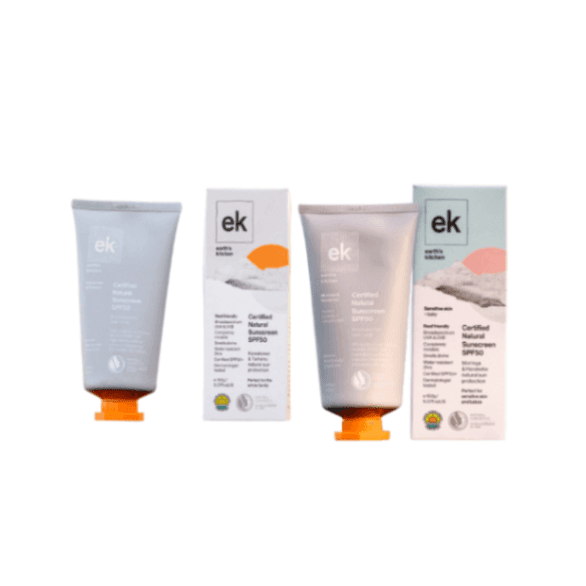
Earth's Kitchen Sunscreen
Use LOWTOXINRABBIT for 10% off
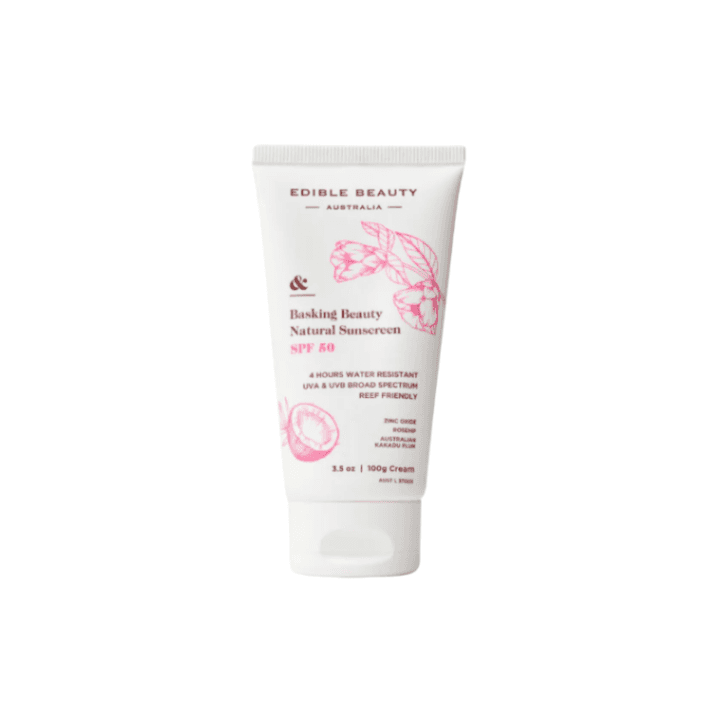
Edible Beauty Basking Beauty Natural Sunscreen
Use LOWTOXRABBIT for 25% of the Edible Beauty Range
While sunscreen is important for skin protection, it's equally important to choose products with safe and effective ingredients. The FDA has proposed that only zinc oxide and titanium dioxide are currently considered safe and effective. To safeguard your health and the environment, steer clear of sunscreens containing oxybenzone, octinoxate, homosalate, octisalate, octocrylene, and avobenzone! Avoiding these ingredients means a healthier you and planet!
Some Affiliates links in this post.
References
https://www.ncbi.nlm.nih.gov/pmc/articles/PMC4592813/
https://pubmed.ncbi.nlm.nih.gov/34864112/
https://www.ncbi.nlm.nih.gov/pmc/articles/PMC4609273/
https://pubmed.ncbi.nlm.nih.gov/28844799/
https://ntp.niehs.nih.gov/sites/default/files/ntp/htdocs/lt_rpts/tr597_508.pdf
https://www.ncbi.nlm.nih.gov/pmc/articles/PMC6990686/
https://www.sciencedirect.com/science/article/abs/pii/S0048969722061733
https://pubmed.ncbi.nlm.nih.gov/16368123/
https://www.sciencedirect.com/science/article/pii/S2352647519300474
health.ec.europa.eu/system/files/2022-08/sccs_o_244.pdf
https://pubmed.ncbi.nlm.nih.gov/17177714/

People who viewed this also viewed
.png&w=828&q=75&dpl=dpl_DyvDZDA6DfgsGTvNNN9GfFoq5Hei)
Non-Nano vs Nano Hydroxyapatite Toothpaste: Why the Particle Size Actually Matters
The Ultimate Water Filter Guide
Product Guide - Sunscreen
Lead-Free Water Bottles: What Every Parent Needs to Know
Ditch These 4 Toxic Oils: Healthier Swaps for Your Family’s Kitchen