Toxins Lurking in Your Sunscreen: Ingredients to Avoid and Why I Choose Mineral Sunscreen
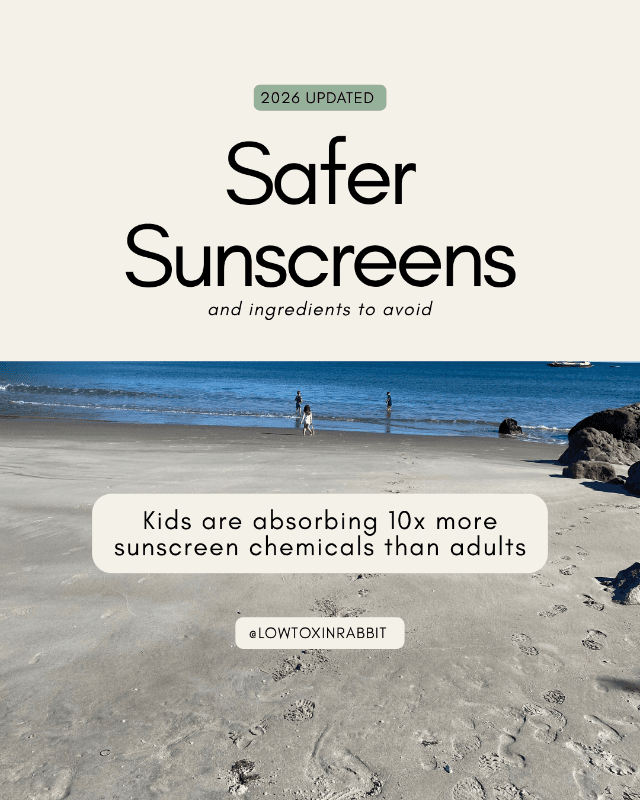
Have you ever stopped to think about what's in the sunscreen you slather on your kids every summer? Sunscreen is our go-to defence against the sun's harmful UV rays, protecting our skin from sunburn and lowering the risk of skin cancer. However, not all sunscreens are created equal. Recent research has raised concerns about common ingredients found in sunscreens. Let’s take a look at toxins commonly found in sunscreens, why you should avoid them and safer options available.
This post contains affiliate links - it's a great way to support the work I do and some great businesses doing better.
Related Reading
Top 10 Harmful Ingredients in Shampoos and Conditioners: What to Avoid and Safer Alternatives
Can Your Clothes Affect Fertility? The Hidden Risks You Need to Know
Chemical vs Mineral Sunscreen: What's the Difference?
There are two main types of active ingredients (the ones that do the UV protecting) used in sunscreen:
Chemical (organic) UV filters. These are synthetic compounds like oxybenzone, homosalate and octocrylene. Most high SPF sunscreens on the supermarket shelf use a combination of several of them.
Mineral UV filters. There are only two: zinc oxide and titanium dioxide. A mineral sunscreen, or mineral based sunscreen, uses one or both of these as its only actives.
You'll often hear that mineral sunscreens "reflect" the sun while chemical ones "absorb" it. Interestingly, recent Australian research has shown that both types actually work mainly by absorbing UV radiation. But, what do those ingredients do once they're on (and in) our bodies.
The New Queensland Study: Sunscreen Chemical Found in Children
Researchers from the University of Queensland and Germany recently published a study in the American Chemical Society journal Environmental Science & Technology measuring how much of three common sunscreen chemicals Australians are absorbing: homosalate, octisalate (2-ethylhexyl salicylate) and octocrylene. They tested 187 pooled urine samples representing about 18,700 people, mostly Queenslanders, collected between 2012 and 2023.
Here's what they found:
Children had much higher levels than adults. Kids aged 15 and under had roughly ten times higher concentrations of these sunscreen chemicals than adolescents and adults.
Levels have been climbing. Concentrations increased steadily over the ten years studied.
80% of the children's pooled samples were above the German health-based guidance value (HBM-I) for a homosalate breakdown product. This is the level at and below which no health effects are expected. From 2018 onwards, every single children's pool was above it.
53% of the children's pooled samples were above the higher HBM-II value, the level at and above which adverse health effects are considered possible and there is an acute need to reduce exposure. The first of these went as far back as 2016.
23% of the children's pooled samples were also above the HBM-I guidance value for octisalate.
The guidance values for homosalate are based on effects on the kidneys seen in animal studies, and for octisalate on effects on pregnancy and reproduction.
So why are kids so much higher? The researchers suggested a few reasons. Children are covered in sunscreen far more often (in Queensland, state schools must provide sunscreen), they have a larger skin surface area compared to their body weight, younger children have thinner skin, and little ones also end up swallowing some through hand-to-mouth contact.
The researchers recommended stricter limits on homosalate in sunscreen, with a focus on products made for children.
It's worrying, because the research shows kids are absorbing homosalate at levels that concerned even the researchers who measured it. These are the same kinds of sunscreens sitting on supermarket and pharmacy shelves across Australia, and many of them are sold here in New Zealand too. If there's an easy swap available, why wouldn't I make it?
What Are Regulators Doing?
This study didn't come out of nowhere. Regulators around the world have been taking a closer look at chemical UV filters for a while now:
Europe restricted homosalate to face products only (excluding propellant sprays), at a maximum of 7.34%, from January 2025, down from 10%. Australia and the US currently allow up to 15%. Oxybenzone is now limited to 6% in face products and 2.2% in body products, and the UV filter 4-MBC has been banned.
Australia's TGA reviewed seven common sunscreen ingredients in July 2025 and recommended tighter controls on homosalate and oxybenzone, after finding their margins of safety could be insufficient with heavy, long-term use over large areas of the body. Public consultation closed in August 2025, but more than a year on, no final decision has been published. Australia's industrial chemicals regulator (AICIS) had separately recommended stricter rules for homosalate in December 2024.
The US FDA proposed back in 2019 that only zinc oxide and titanium dioxide have enough data to be classed as "generally recognised as safe and effective". For most chemical filters, it said there wasn't enough safety data to make that call.
Hawaii, Palau and several other places have banned sunscreens containing oxybenzone and octinoxate because of concerns about coral reefs.
When Europe has already moved, Australia is reviewing, and the FDA still says it needs more data, I would rather err on the side of caution for my family.
Sunscreen Ingredients to Avoid
1. Oxybenzone (Benzophenone-3)
Oxybenzone tops my list. It's easily absorbed through the skin and has been detected in the urine of around 97% of Americans tested by the CDC. It has been linked to allergic skin reactions and potential hormone disruption.
What the research shows:
Adolescent boys with higher oxybenzone levels had significantly lower total testosterone levels.
Oxybenzone exposure during pregnancy has been associated with changes in birth outcomes, including altered birth weights.
The US National Toxicology Program found equivocal evidence of carcinogenic activity in rats, including increased thyroid tumours and uterine changes in female rats exposed to high doses.
A 2025 review of 75 human studies found associations between benzophenone-type UV filters and reduced testosterone in adolescent males, altered thyroid hormones in pregnant women, and changes in the timing of puberty.
2. Homosalate
This is the chemical at the centre of the new Queensland study. Homosalate is absorbed through the skin, has been flagged for potential hormone disruption, and animal studies have raised concerns about effects on the kidneys. Europe's scientific safety committee concluded it was not safe at concentrations up to 10%, and both the TGA and AICIS have recommended restricting it in Australia.
3. Octinoxate (Octyl Methoxycinnamate)
Octinoxate is readily absorbed through the skin and has been found in blood at levels well above the FDA's threshold for further safety testing. It has been linked to potential hormone disruption and is one of the two chemicals banned in Hawaii to protect coral reefs.
4. Octisalate (Ethylhexyl Salicylate)
Octisalate is absorbed through the skin at levels well above the FDA's cutoff for further safety testing, and the FDA says it doesn't have enough data to confirm it as safe and effective. It has been linked to allergic contact dermatitis and may weakly bind to oestrogen receptors. It was also flagged in the Queensland study, with 23% of children's pooled samples above the health-based guidance value.
5. Octocrylene
Octocrylene also absorbs through the skin at levels exceeding the FDA's threshold, and the FDA says there's insufficient data to determine its safety. Studies have found it can degrade into benzophenone over time, a possible carcinogen that the TGA says should be limited in products. It has also been linked to harm to aquatic life, and it's one of the ingredients Plunket flags as more likely to cause skin reactions in babies. To be fair, the Queensland study found octocrylene levels well below the health guidance values, although that assessment didn't consider benzophenone contamination.
6. 4-MBC (4-Methylbenzylidene Camphor)
This one is especially relevant for Australian families. 4-MBC has been banned in Europe since 2025 because of endocrine-disrupting concerns, with products required to be withdrawn by May 2026. It is still permitted in Australia, where the TGA is reviewing it, and it turns up in some sunscreens marketed for kids. If you see it on the active ingredients list, I'd give it a miss.
7. Avobenzone (Butyl Methoxydibenzoylmethane)
Avobenzone is a widely used filter for UVA protection, but it's unstable in sunlight and needs to be paired with other ingredients (often octocrylene!) to hold up. Its breakdown products have been linked to allergic reactions, and it has been found in blood at levels above FDA safety thresholds.
Why I Choose Mineral Sunscreen
The safest active sunscreen ingredients in my opinion are zinc oxide and titanium dioxide. These are the only active sunscreen ingredients classified by the FDA as "generally recognised as safe and effective." I personally prefer a zinc oxide based mineral sunscreen, as zinc oxide gives broad-spectrum protection across both UVA and UVB and, in my opinion, is the best option of the two mineral actives.
Here's what I look for in an SPF mineral sunscreen:
Non- nano zinc oxide and/or titanium dioxide as the only active ingredients. Check the "active ingredients" section on the back. Some products say "mineral" or "zinc" on the front but also contain chemical filters!
Broad spectrum, SPF30 or higher. The Cancer Society of New Zealand recommends broad spectrum SPF30+ as a minimum, while Cancer Council Australia recommends broad spectrum, water-resistant SPF50+, reapplied every two hours, whenever the UV Index is 3 or above. I go for SPF50+ for my kids.
Tested to AS/NZS 2604. This joint Australian and New Zealand standard covers SPF, broad spectrum and water resistance testing. In New Zealand it has been mandatory since the Sunscreen (Product Safety Standard) Act 2022. In Australia, primary sunscreens are regulated by the TGA as therapeutic goods, so look for an AUST L number on the label. Either way, look for brands that are open about when their products were last tested, as independent tests by Consumer NZ and Choice have found plenty of sunscreens (mineral and chemical) that didn't live up to their SPF claims.
A short, simple ingredient list with no undisclosed fragrance, which is also better for sensitive skin.
Is Tinted Sunscreen a Good Option?
Yes! One of the most common complaints about mineral sunscreen is the white cast it can leave behind. A tinted sunscreen or tinted SPF sunscreen uses iron oxides to add a skin-coloured tint that helps blend the zinc oxide in. It's a great option for your face, and for many of us it doubles as a light foundation. Just check the actives in a tinted mineral sunscreen are still only zinc oxide and/or titanium dioxide.
What About "Mineral Sunblock"?
You'll still see people searching for mineral sunblock, but you won't find the word "sunblock" on a sunscreen label in New Zealand or Australia. The AS/NZS 2604 standard doesn't allow it because no sunscreen blocks 100% of UV rays. A mineral sunblock is simply a mineral sunscreen!
Sunscreen for Babies and Kids
With four kids, this is the section I get asked about the most!
Babies under 6 months: In New Zealand, the Cancer Society and KidsHealth both recommend against sunscreen on babies under six months, and Plunket warns that skin this young may react to it. In Australia, the Australasian College of Dermatologists advises against widespread, regular use of chemical sunscreens at this age, because very young babies absorb more of anything applied to their skin. No harmful effects from sunscreen absorption in babies have been documented, so this is a precaution rather than proven harm. Cancer Council Australia recommendations are slightly softer: if babies are kept covered and out of the sun, sunscreen can be used occasionally on very small areas. Either way, the focus for young babies is shade, clothing, broad-brimmed hats and shade covers on prams.
Babies over 6 months and toddlers: Choose a baby sunscreen labelled for sensitive skin or suitable for children and do a patch test first on a small area of skin to check for a reaction. Plunket notes that unscented sunscreens tend to cause fewer reactions and that products containing octocrylene and phenoxyethanol are more likely to cause them. A zinc oxide mineral sunscreen is my go-to for this age.
My Top Mineral Sunscreen Picks
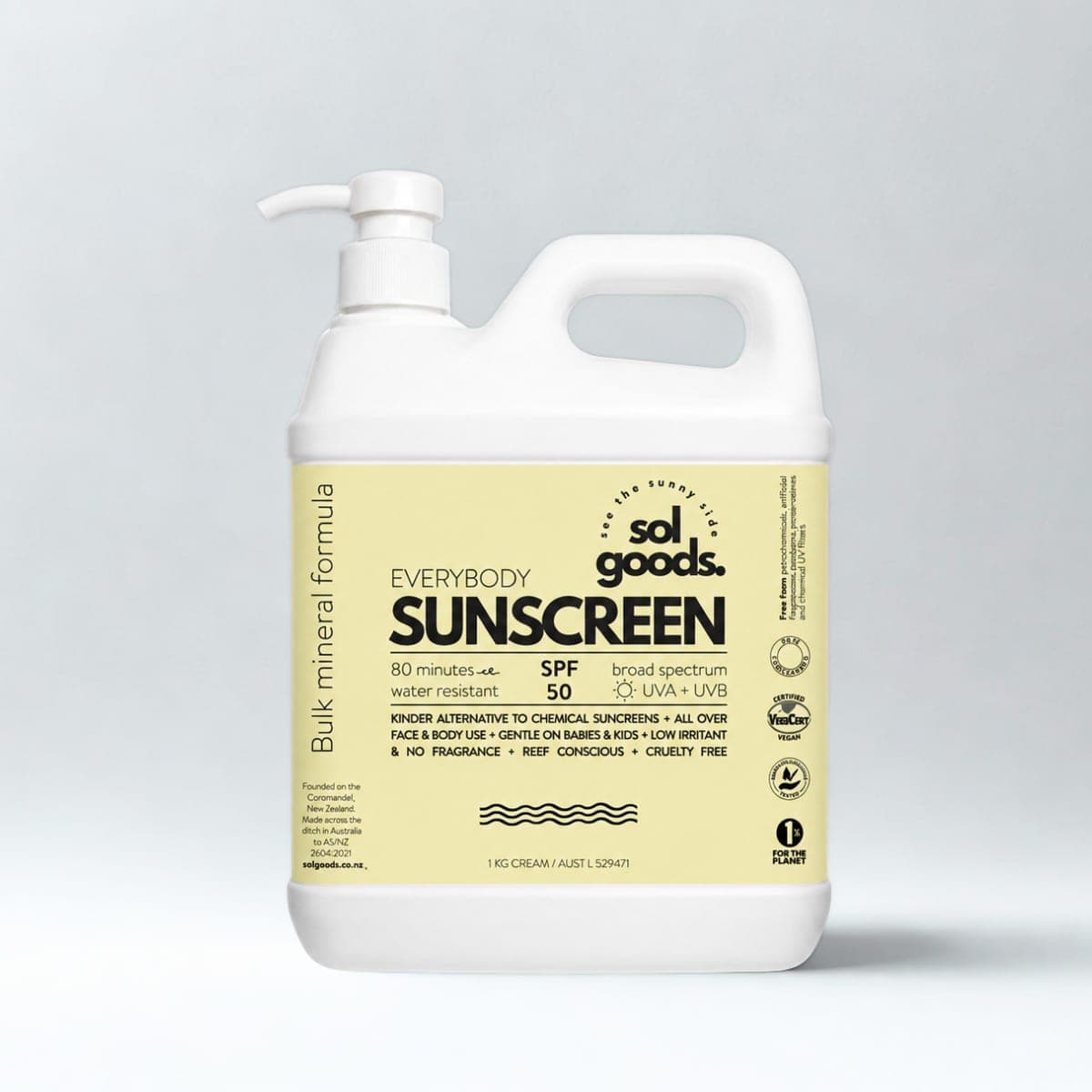
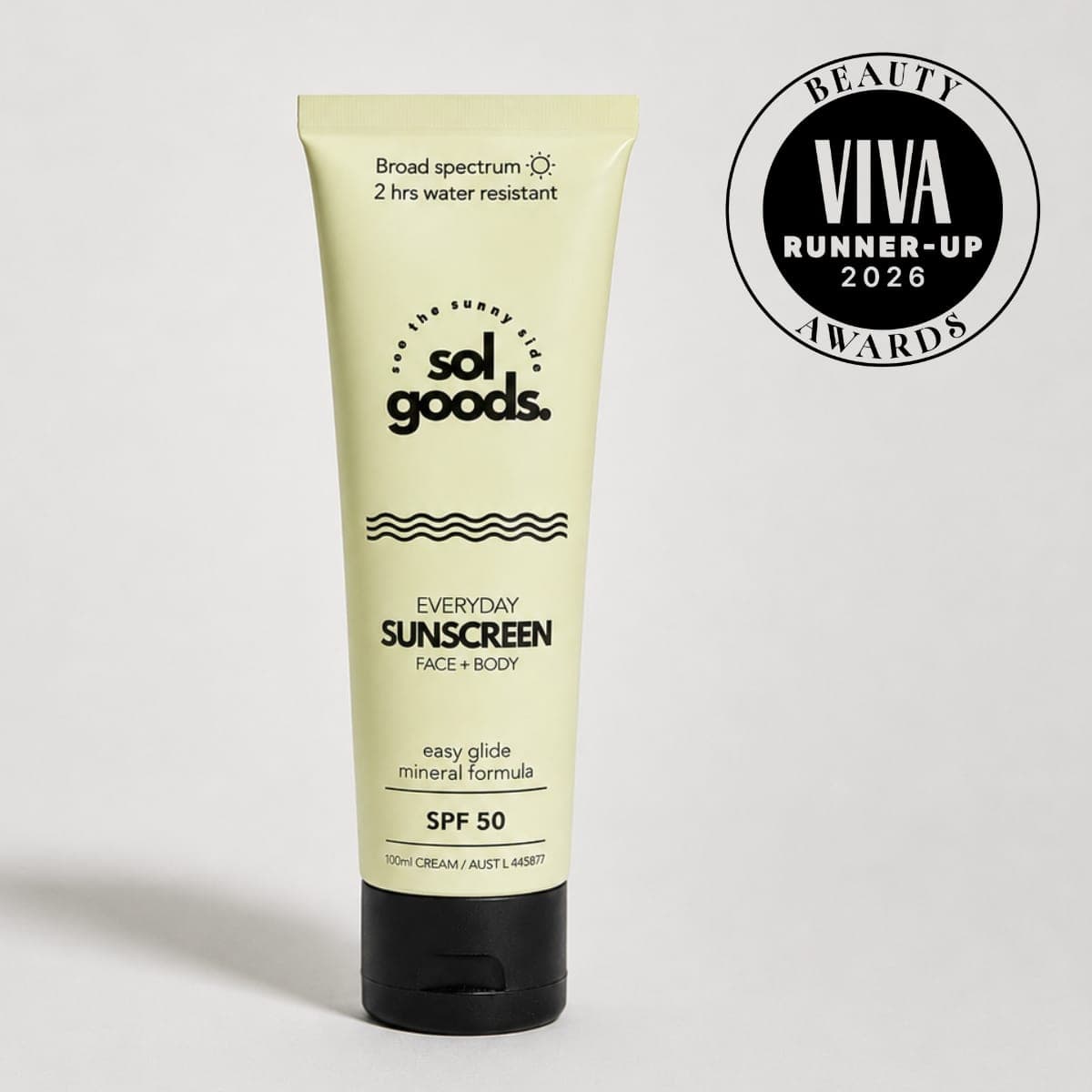
Here are some sunscreen recommendations I would be happy to use on myself and my family this summer, or check out my full Product Guide here:
Top Sunscreen Picks
 Goodbye Natural Sun BalmSarah10 for 10% storewide and can be used in conjunction with other offersView
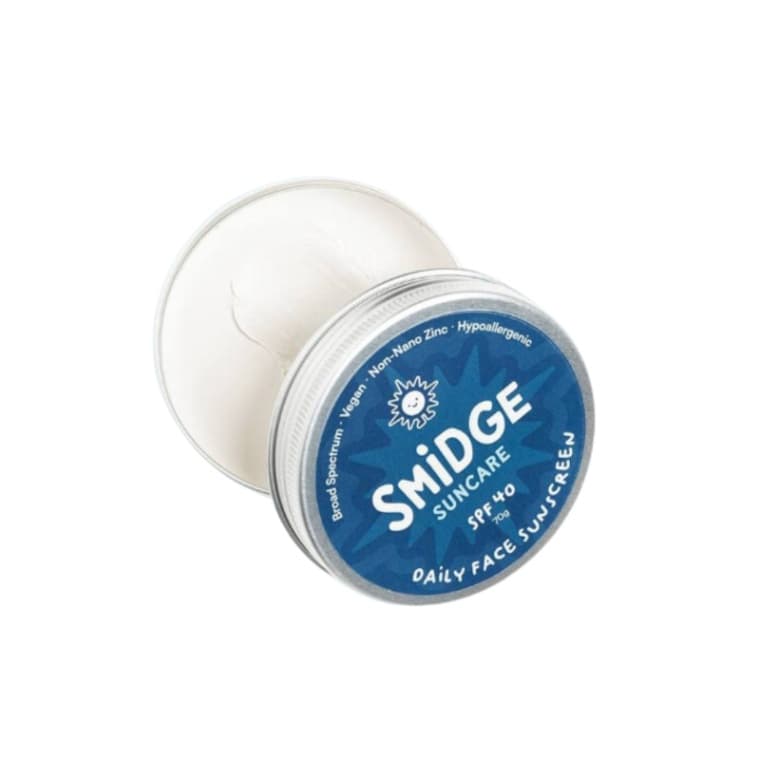

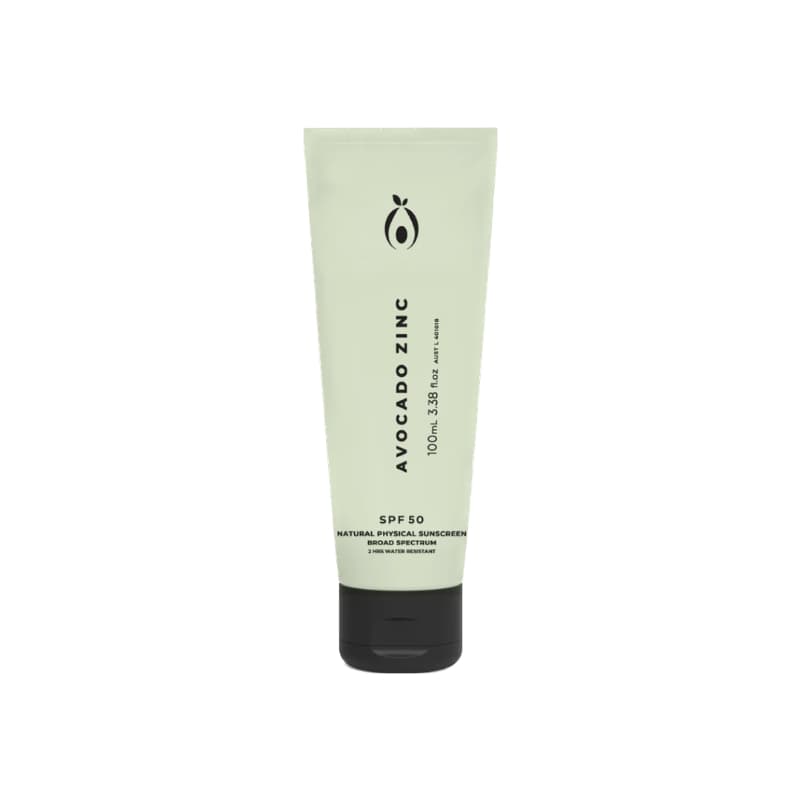
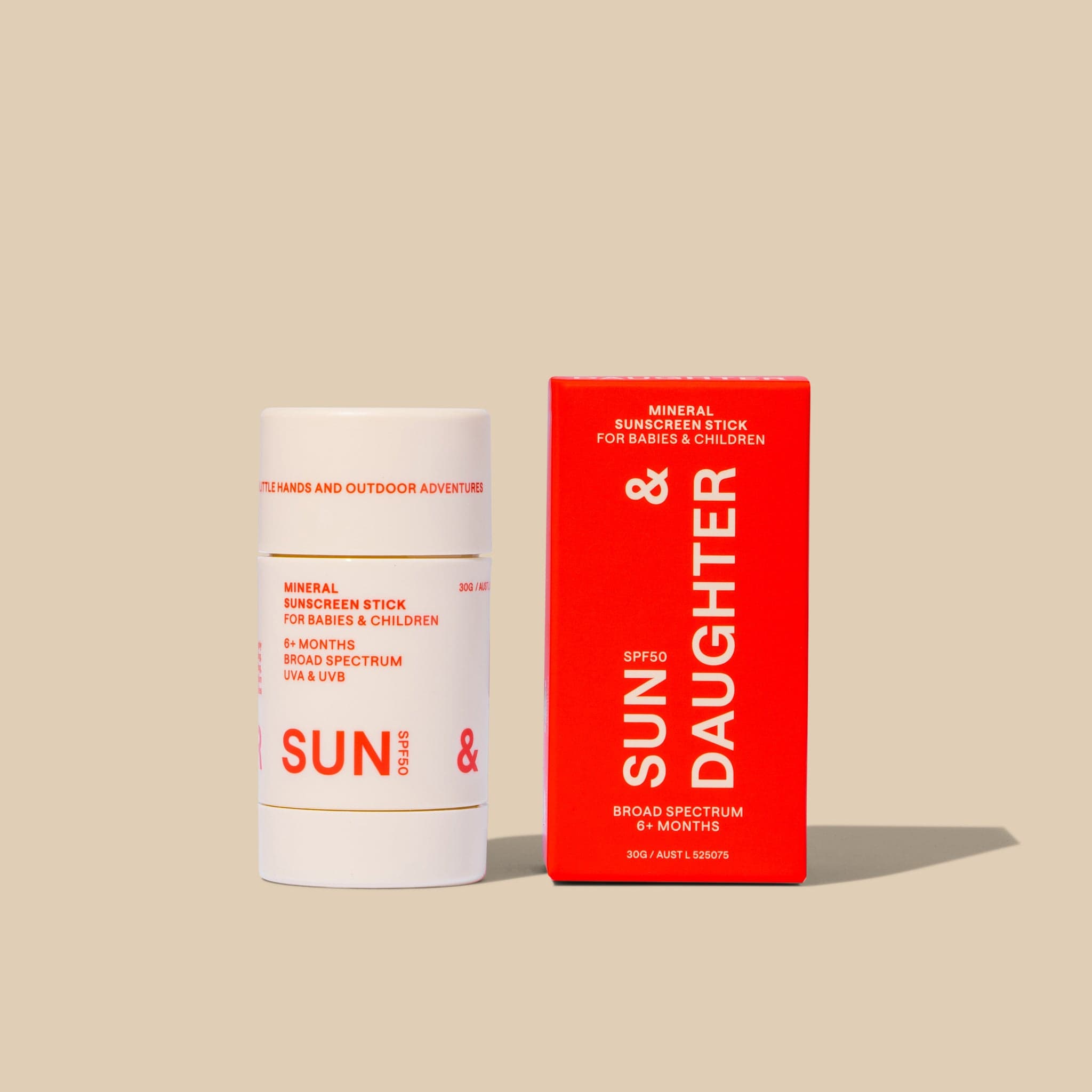
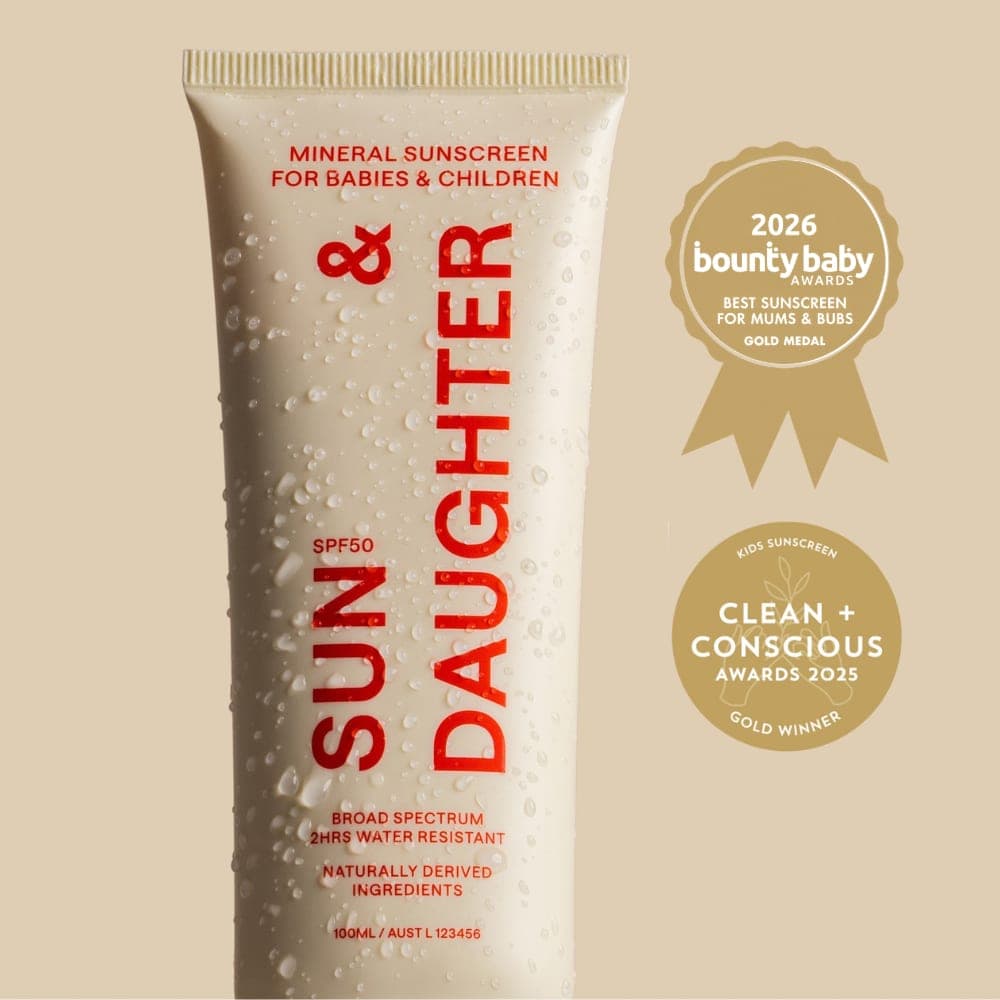
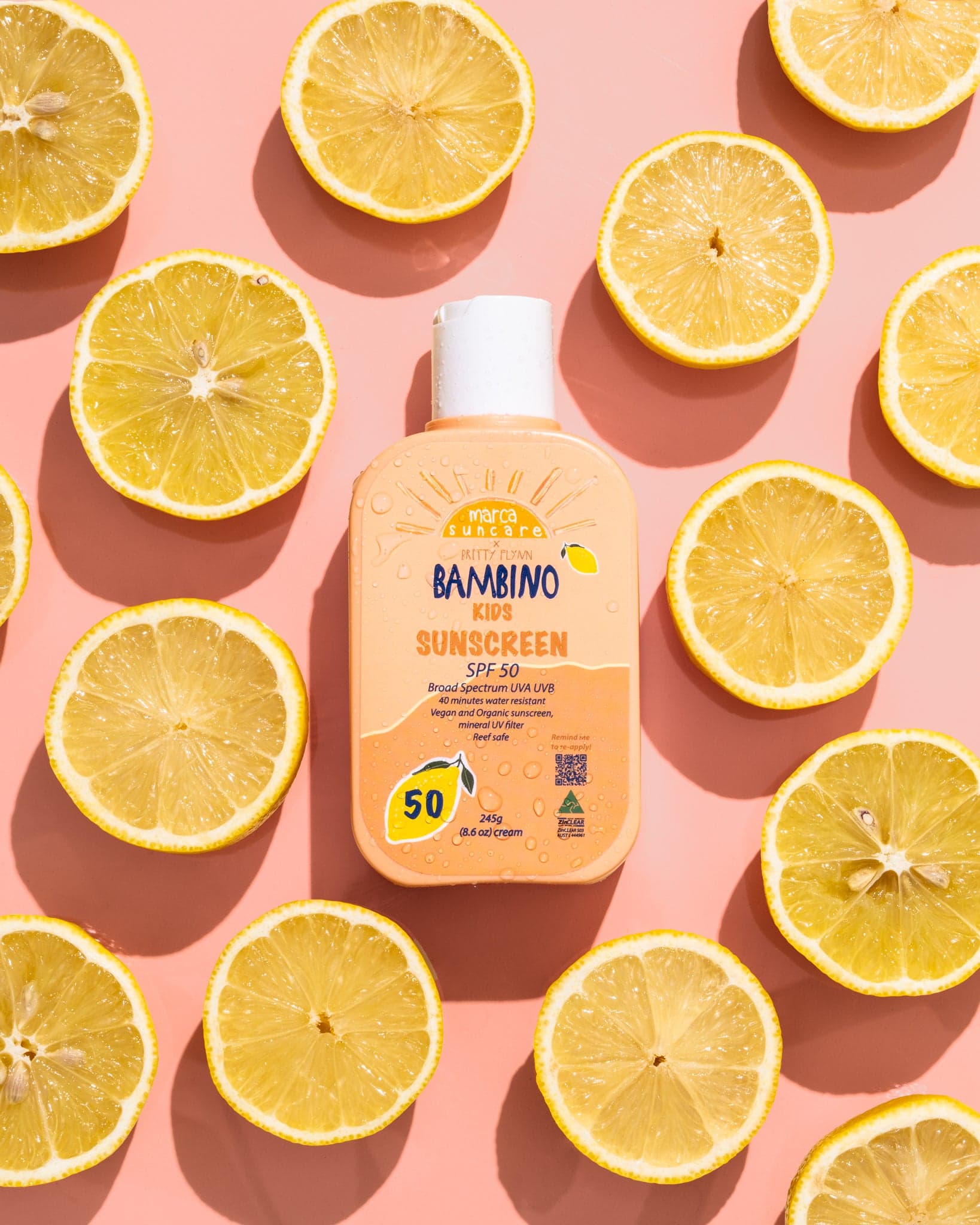
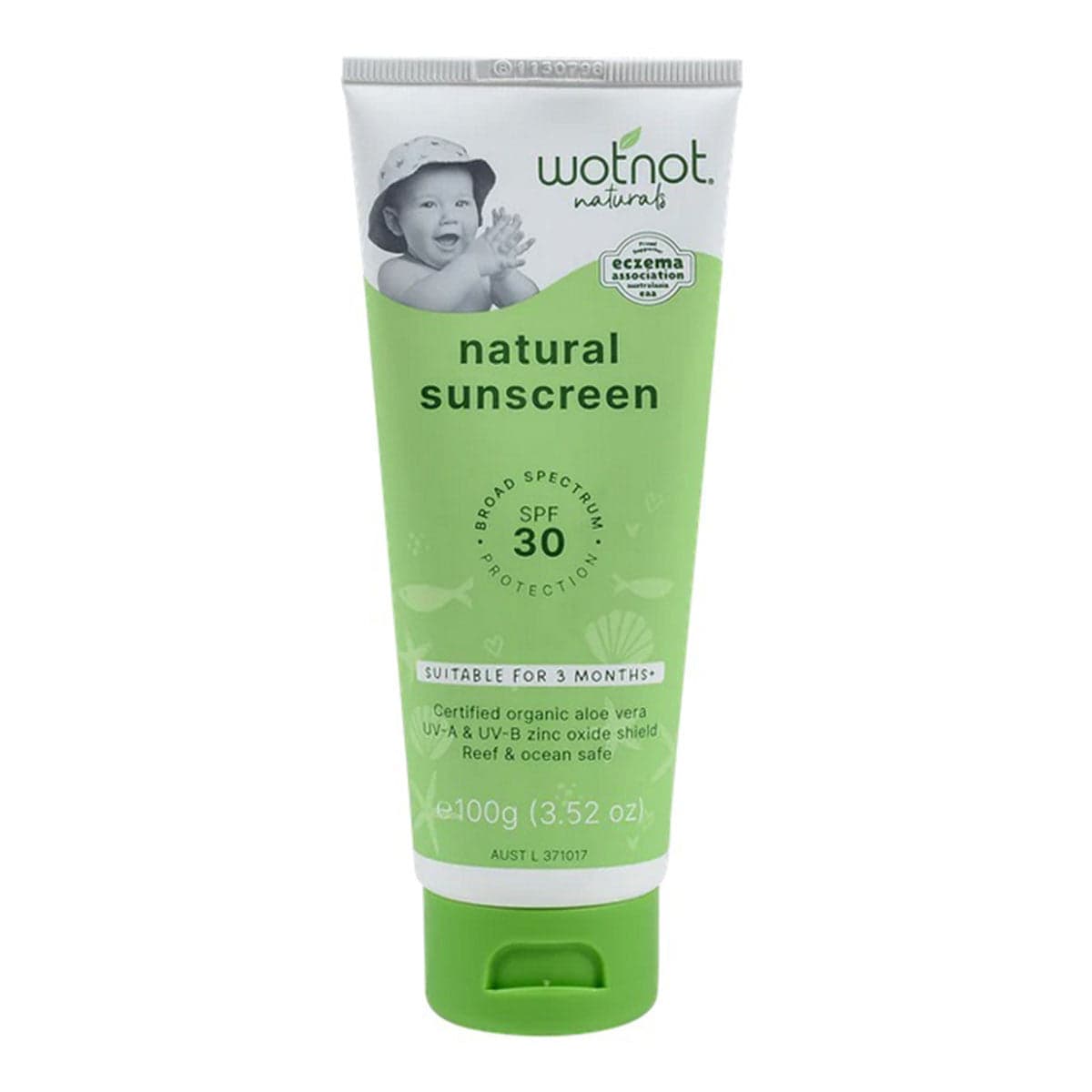
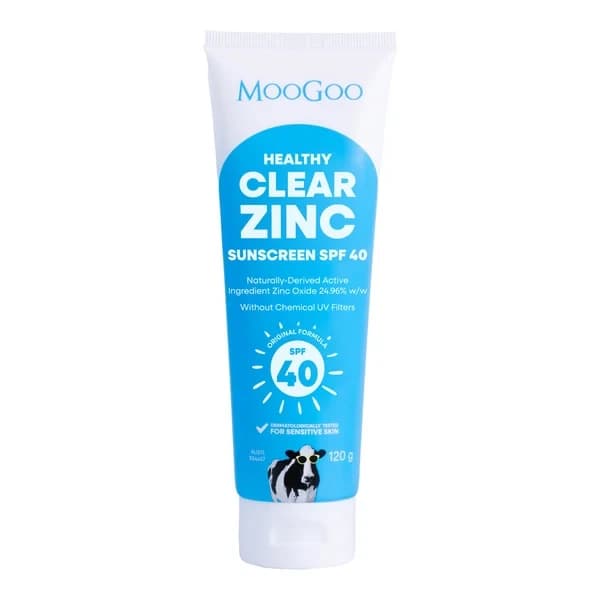
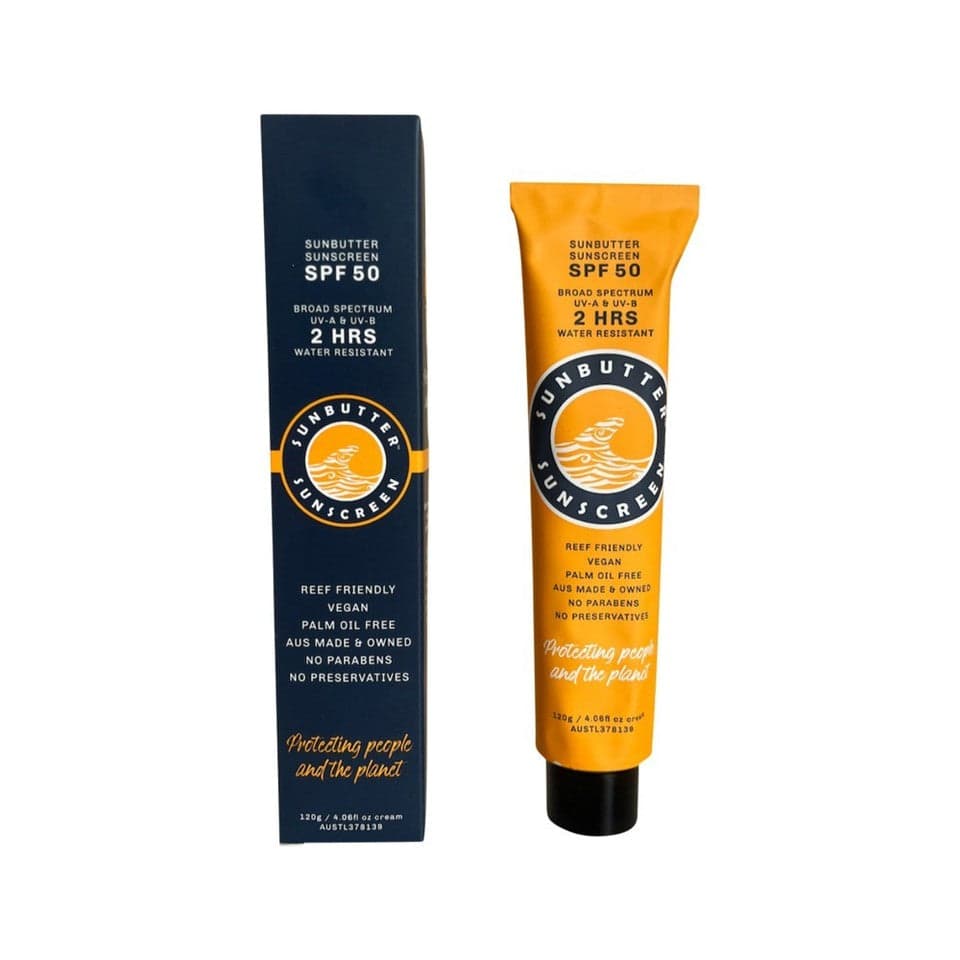
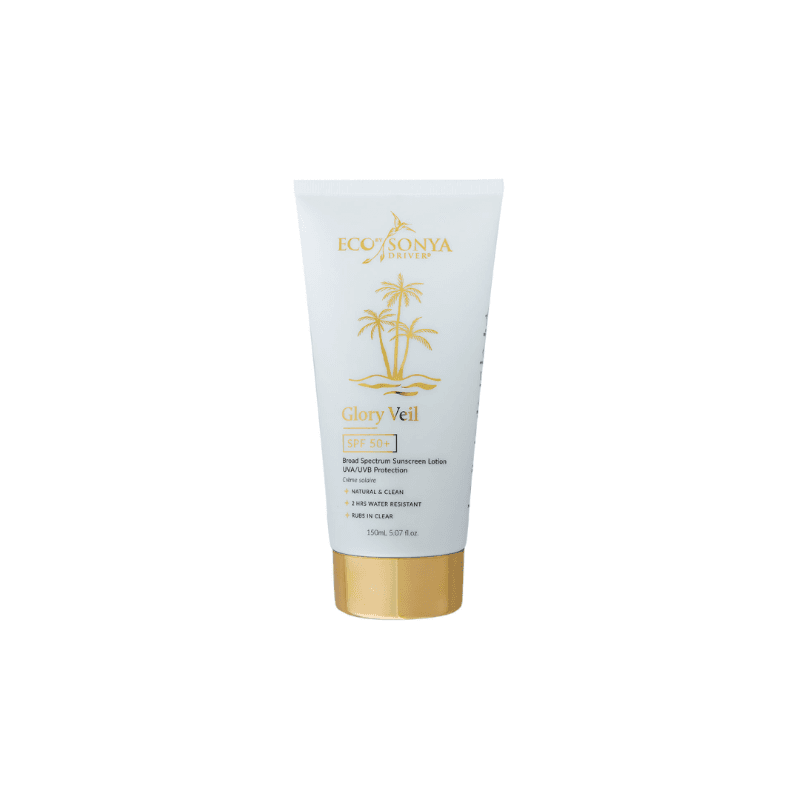
 Trilogy SPF 60+ Omega-Boost Sheer Mineral SunscreenUse SARAH20 for 20% off (Offer ends 18th November 2026)View
The Take Home this Summer
Sunscreen is an important part of protecting our families from sunburn, but it's equally important to choose one with ingredients you're comfortable with. With the new Queensland study finding homosalate above health-based guidance values in most children's samples, regulators in Europe and Australia moving to restrict it, and the FDA still saying most chemical filters need more safety data, I'm sticking with mineral sunscreen.
My advice? Turn the bottle over, check the active ingredients, and look for non-nano zinc oxide. Then slip, slop, slap, seek and slide (or slip, slop, slap and wrap, if you're a Kiwi like me), and enjoy the summer!
Frequently Asked Questions
Is mineral sunscreen better than chemical sunscreen?
Both types can provide effective broad spectrum protection when they meet the AS/NZS 2604 standard. The main difference is the active ingredients. Mineral sunscreens use only zinc oxide and/or titanium dioxide, while chemical sunscreens use synthetic UV filters such as oxybenzone and homosalate. These are absorbed through the skin and are under review by regulators in Australia and overseas, as they have been identified as potential endocrine disruptors and linked to other health concerns. Zinc oxide and titanium dioxide, on the other hand, have enough safety data for the US FDA to propose them as generally recognised as safe and effective. For that reason, I choose mineral sunscreen for my family.
Is mineral sunscreen actually better for you?
Zinc oxide and titanium dioxide are the only two active ingredients the US FDA has proposed as generally recognised as safe and effective. Mineral sunscreens also tend to be gentler on sensitive skin. Chemical UV filters, on the other hand, are absorbed into the body, and several have been linked to potential hormone disruption. For this reason, we choose to use a mineral based sunscreen.
What is the best mineral sunscreen in New Zealand and Australia?
The best mineral sunscreen is one that uses only zinc oxide and/or titanium dioxide as actives, is broad spectrum SPF30+ (ideally SPF50+), has been tested to AS/NZS 2604 (and in Australia, carries an AUST L number), and that your family will wear! Check out my Sunscreen Product Guide or Directory for the brands I use and trust.
Which sunscreen is best for babies?
For babies over six months, choose a mineral sunscreen labelled for sensitive skin or suitable for children, ideally zinc oxide based and fragrance free. Always do a patch test first, and use sunscreen alongside shade, hats and clothing rather than as the only protection.
Why shouldn't babies under 6 months use sunscreen?
Babies under six months have very sensitive, thin skin that is more likely to react to sunscreen ingredients. In New Zealand, the Cancer Society, Plunket and KidsHealth all recommend keeping young babies out of direct sun and protecting them with shade, clothing and hats instead of sunscreen. In Australia, the Australasian College of Dermatologists doesn't recommend widespread, regular use of chemical sunscreens under six months, while Cancer Council Australia says small amounts can be used occasionally on small areas that can't be covered.
What type of sunscreen is best?
The best sunscreen is a broad spectrum SPF30+ that meets the AS/NZS 2604 standard and that you'll reapply regularly. My personal preference is an SPF mineral sunscreen with zinc oxide, as it avoids the chemical UV filters currently under review.
What is the best non-toxic sunscreen?
Look for a mineral sunscreen with non-nano zinc oxide as the only active ingredient, and avoid oxybenzone, homosalate, octinoxate, octisalate, octocrylene, 4-MBC and avobenzone. A short ingredient list with no added fragrance is a bonus. You'll find my favourites in the product picks above.
Can I use mineral sunscreen while breastfeeding?
Many mums choose mineral sunscreen while breastfeeding because zinc oxide and titanium dioxide aren't absorbed into the body the way chemical UV filters are, and some chemical UV filters have been detected in breast milk in studies. It's a good idea to avoid applying sunscreen to the breast and nipple area.

People who viewed this also viewed
Product Guide - Sunscreen
Non-Toxic Toys Guide: How to Choose Safe Toys for Kids
From Minerals to Mint: What’s Inside Your Toothpaste?
Clean Protein Powder in NZ and Australia: I Asked the Brands for Their Test Results

Which Chocolate Should You Actually Buy? A Brand-by-Brand Guide